
When a Concept Meets Reality
On paper, everything fits together. Systems are cleanly provisioned, data pipelines are in place, interfaces line up as intended. Tests run stably, even under load. The architecture looks sound.
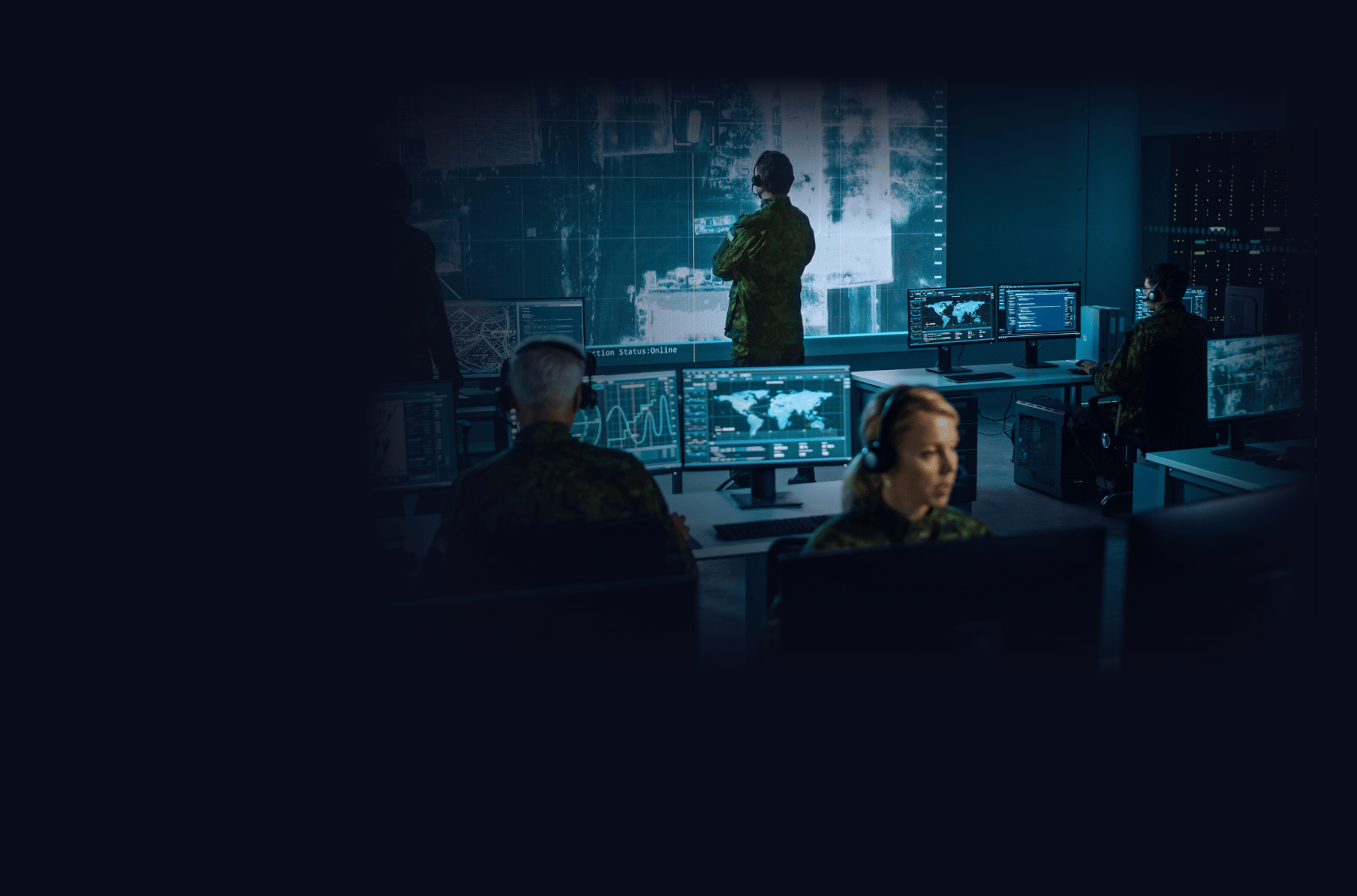
In the field, that picture shifts. A mobile platform collects data from multiple sensors, processes it locally, and delivers a situational awareness picture to the operator. The link to the command post is available but intermittent. Bandwidth drops periodically, processor load climbs during sustained operation, and the enclosure runs hotter than it did in the test lab. Sensor streams arrive out of sync, and analytics results lag behind. Nothing fails outright, but the output feels less trustworthy. Situations like these determine whether a system truly works in the field, or only performs reliably under ideal conditions.
Why Problems Often Surface Only in Operation
Most challenges do not stem from choosing the wrong technology. Compute, sensors, and connectivity are available today in more than sufficient measure. The real differentiator is how systems behave under real conditions. In operation, CPUs and GPUs run at sustained full load, temperatures exceed the levels assumed in testing, available bandwidth fluctuates, and links drop repeatedly. Add vibration and shock in mobile deployments, plus additional sensor and data streams that further tax processing, and systems designed for stable conditions quickly reach their limits.
This rarely produces clean failures. Far more common is a gradual degradation: results still arrive, but with delay, based on unsynchronized sensor data and lagging analytics. That is precisely what erodes trust in the equipment.
What to Address During Planning
A key lever lies in how systems are designed. Rather than starting from the ideal case, it has proven effective to plan for deviation from the outset. Systems should be built to handle delayed data, unstable links, and variable load. This changes how components are evaluated. Peak performance is not the only relevant metric; sustained behavior under continuous load matters just as much. Equally important is how data is processed when it does not arrive perfectly synchronized. A structured foundation for this is provided by the BRESSNER Defense Computing Guide, which summarizes the relevant criteria for designing rugged systems.

How to Detect Problems Early in Operation
This perspective does not necessarily lead to fundamentally different solutions, but it makes systems more resilient, and that is what counts in the field.
Instability rarely announces itself through clear error messages. Far more often it appears as subtle shifts in system behavior, for example when analytics outputs fluctuate more than expected and users start to question the results. These signals are easy to miss, because the system is still formally operational. That makes it all the more important to make operational behavior transparent. Monitoring should therefore cover more than availability alone; it should track latency, utilization, and data consistency. Teams that keep an eye on these factors detect drift in a system much sooner.
What Can Still Be Improved in Live Operation
When problems have already surfaced, the situation is more complex but not without remedy. In many cases, adjusting how data is processed helps. Local buffering can absorb delays, and prioritized processing ensures that critical information is handled first. Decoupling individual data streams can also restore stability. On the hardware side, systems often suffer less from a lack of raw performance than from sustained load. Adjustments to thermal design, targeted expansions, or improved load distribution can noticeably improve stability. The decisive factor is treating the system holistically. Isolated measures fall short when the interdependencies are not taken into account. The step from individual components to a coordinated system architecture is the critical one here.
From Individual Components to a Coordinated System
Operation quickly reveals whether a system was conceived as a collection of components or as a coordinated platform. Integrated platforms are easier to stabilize and evolve, because their components are aligned with each other. Adjustments do not act in isolation but within a consistent architecture.
In this context, BRESSNER positions itself as a systems integrator and project partner. Rather than delivering standalone units, BRESSNER aligns compute, interfaces, ruggedization, thermal design, expandability, and lifecycle requirements as a whole. The result is solutions that hold up under real operating conditions and can be adapted where needed, without the customer having to piece the architecture together from disparate parts.
Validation Under Realistic Test Conditions
Whether a system architecture holds is not decided in the lab under ideal conditions, but under realistic stress profiles. That includes sustained load tests on CPU and GPU, thermal testing across the expected temperature range, tests with fluctuating bandwidth and link dropouts, as well as exposure to vibration and shock in line with MIL-STD-810G. Only when a system endures these combined conditions can its behavior in the field be assessed with confidence.
Key Takeaways for Decision-Makers
The difference between a system that works and one that is truly resilient often only becomes visible in operation. Factoring in early how systems behave under real conditions substantially reduces downstream risk. At the same time, room to act remains during live operation, provided that problems are recognized in time and addressed in a structured way. In the end, what a project concept says is technically possible is not what counts. What matters is what functions reliably and continuously under real operating conditions.
Learn more about Defense Computing at BRESSNER and request an expert consultation
Share this article


Further posts
Oct 21, 2026, 9:00:01 AM How rugged systems behave under sustained load, thermal stress, and unstable links, and what that means for Defense Computing architectures in the field.
Oct 14, 2026, 9:00:00 AM How Rugged Computing and Tactical Edge architectures turn distributed sensor data into a consistent, mission-ready situational picture in Defense Computing
Oct 7, 2026, 9:00:01 AM Why rugged computing is crucial for defence applications: validation, thermal management and modular systems in mission-critical operations.

Sep 30, 2026, 9:00:01 AM Edge AI for faster situational assessment: How sensor fusion and human-in-the-loop decision support are reducing military response times.
Jun 9, 2026, 9:00:00 AM Industrial hardware for harsh environments: why rugged design, thermal stability, serviceability, and lifecycle matter. Includes the BRESSNER Buyer’s Guide.

Feb 26, 2026, 9:00:00 AM Discover how 5G and Wi-Fi 7 are revolutionizing the reliability and security of industrial networks and setting new standards for digitalization.

Feb 10, 2026, 9:00:00 AM From the sensor to the cloud: How gateways and edge systems optimize data flows in industry—securely, scalably, and efficiently with BRESSNER.

Feb 3, 2026, 9:00:00 AM Learn how Panel PCs are revolutionizing hospital processes and improving critical medical decisions through edge computing.

Jan 29, 2026, 9:00:00 AM Predictive maintenance with embedded AI is revolutionizing maintenance through local data analysis, shortening response times and reducing costs.
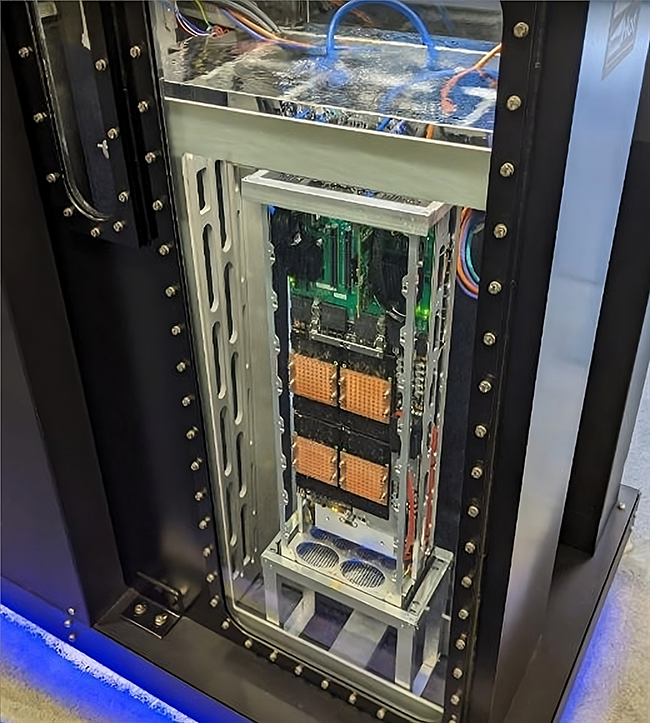
Jan 22, 2026, 9:00:01 AM Ultra-rugged edge computers are essential for military applications, offering high computing power and resistance to extreme environments.
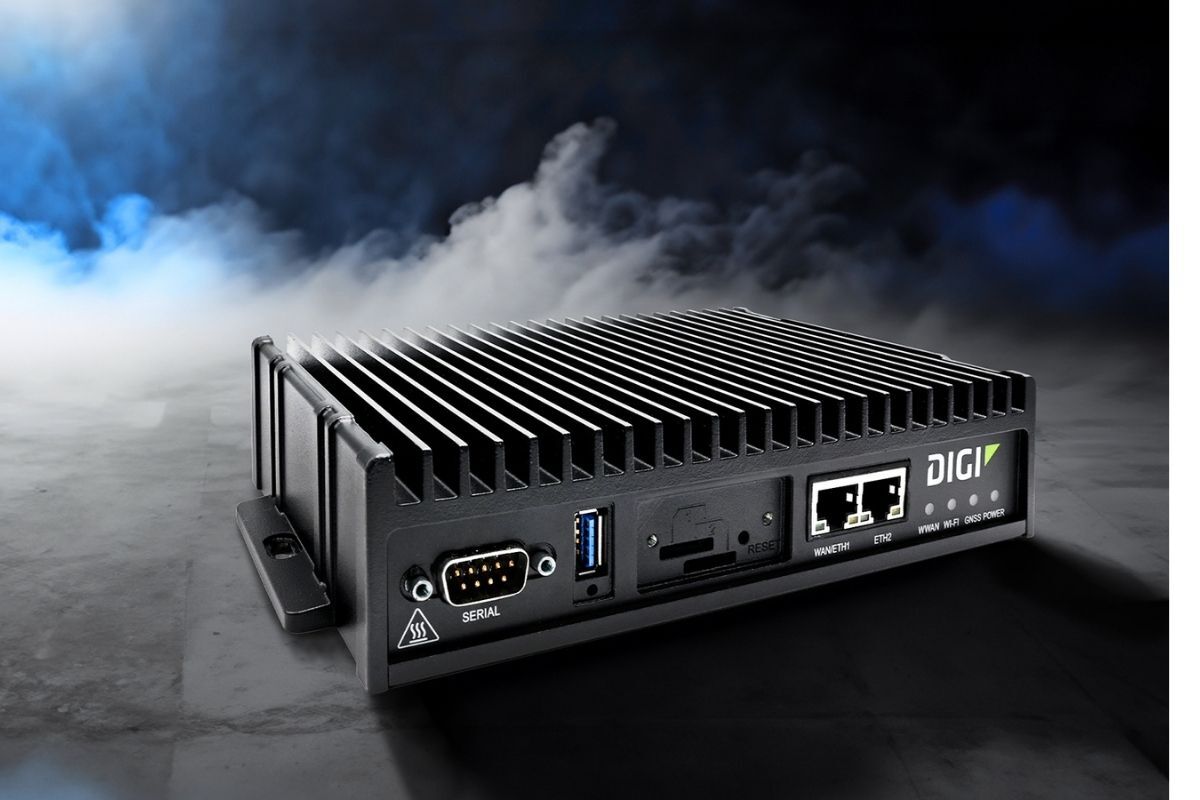
Jan 15, 2026, 9:00:01 AM Learn how 5G mobile routers are revolutionizing security in industrial applications and ensuring stable connectivity.

Want to stay up to date?
- Then sign up for our newsletter!