
Cyber Defense Beyond the Data Center
Cyber defense is still often framed from the perspective of centralized IT infrastructure. Hardened data centers, controlled access, permanent network connectivity, and regular patch cycles form the foundation of conventional security concepts. At the tactical edge, these assumptions only hold to a limited degree. Consider a mobile command post inside a deployed vehicle that operates for extended periods without a stable data link: updates cannot be pushed on demand, and centralized monitoring is not continuously available. Or consider a system mounted externally on a vehicle or at a temporary installation, where physical access by third parties cannot be ruled out. Add constrained maintenance windows and an environment in which not every protective measure can be retrofitted in software. The difference from classic IT security lies less in the threat picture than in the boundary conditions: decentralized operation, limited reachability, physical exposure, and long service lives.
Edge systems in defense and security applications are therefore exposed to both digital and physical risk. Treating cyber defense in this context purely as a question of firewalls, patches, and monitoring falls short. The focus shifts toward a security model that includes hardware, firmware, and data integrity. BRESSNER does not act as a developer of proprietary platforms or as a vendor of cybersecurity software, but as a system integrator and value-added distributor: for security-critical applications, suitable hardware platforms are selected, integrated, configured, and tailored to the specific project. Security then begins not in the network, but in the system itself – at boot, in the identity of the hardware, and in how data is handled under real operating conditions.
Hardware, Secure Boot, and Firmware Integrity
A central element is the root of trust. Hardware-based mechanisms such as Secure Boot are not an automatic guarantee against every form of tampering, nor are they implemented to the same extent in every platform. What they do provide is a concrete contribution: cryptographic trust chains allow the system to verify at startup whether firmware and associated components match the authorized state. Unauthorized boot or firmware modifications become detectable before the system enters regular operation. This matters particularly where physical access to devices cannot be excluded, because purely software-side checks only take effect once the system is already running. Which of these mechanisms are actually used depends on the selected platform and the specific project requirements.
Closely related is firmware handling over the lifecycle. Edge systems in defense applications often remain in service for many years, sometimes across changing mission profiles. The priorities here are controlled update mechanisms, protection against unauthorized changes, and traceable firmware states. Separating basic system functions from application-specific software can support this, so that changes to the application do not directly touch the security-relevant base layer: how far such a separation is sensible and feasible, however, depends on the specific system design and is not always strictly required. Cyber defense in this sense becomes a question of platform stability rather than a short-term measure.
Data Security and Operational Continuity Under Extreme Conditions
An aspect frequently underestimated in classic security concepts is the handling of data under extreme conditions. Power loss, uncontrolled shutdowns, and mechanical stress are not exceptions in field operations. In such situations, it is decided whether a system simply reboots or whether data is corrupted or altered. Industrial flash storage can help reduce this risk. Particularly useful are power-fail protection, which allows ongoing write operations to be completed in a controlled manner during sudden voltage loss, along with health monitoring and data refresh functions that observe the state of memory cells and keep stored data stable over time. This is not an absolute guarantee, but it increases the likelihood that security-relevant information remains consistent even under adverse conditions.
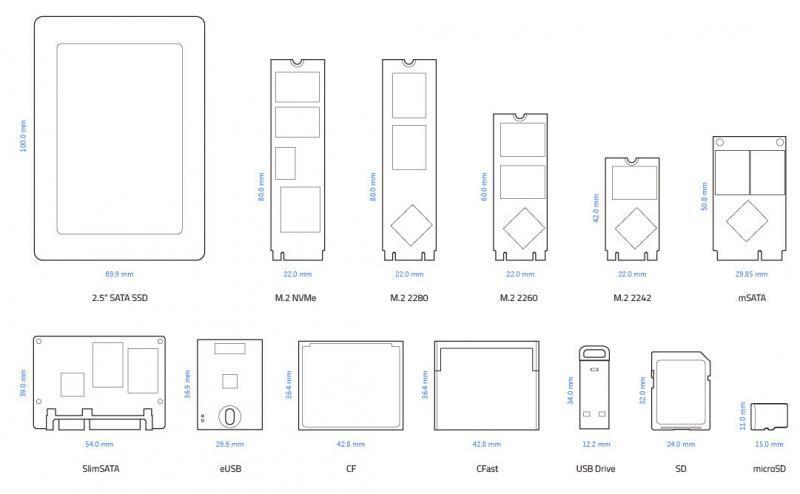
Overview of Different Form Factors for Industrial Storage Solutions from the BRESSNER Shop
It follows that worst-case scenarios should be factored in from the start: What happens during an unexpected power disconnect, and how can sensitive data be protected if a device is lost or taken out of service? The answers lie less in network architecture than in the interplay of hardware design, storage technology, and firmware logic. Communication belongs in this picture as well: encrypted data transmission, hardware-based authentication, and secured interfaces are baseline requirements, but not sufficient on their own. In tactical scenarios, a system must remain usable without connectivity. This does not mean autonomous decision-making logic, but the local continuation of essential functions: data is securely buffered, processed, and kept intact until a secured synchronization is possible again.
Lifecycle as Part of the Security Architecture
A frequently neglected point is lifecycle management. While civilian IT systems are often replaced in short cycles, military and security-critical platforms depend on predictable long-term availability. This does not mean the guarantee of using identical components unchanged for years – electronic parts are subject to EOL and PCN notices. What matters is controlled change management: availabilities are factored in, changes to hardware and software are documented and accompanied, and foreseeable discontinuations are addressed early. BRESSNER sees itself here as a lifecycle and service partner that plans components and configurations on a project basis and manages changes, rather than making blanket promises to keep every platform unchanged indefinitely.
Cyber defense at the edge is therefore less a single measure than an architectural decision. It emerges from the interplay of hardware security, firmware integrity, secure data storage, controlled communication, and a deliberately planned lifecycle. Industrial IT and military cyber resilience converge here – not in theory, but concretely in deployment. Anyone designing systems for the tactical domain has to accept that full control over that environment is not possible. All the more reason to build security requirements into the selection of platform, storage, and interfaces, as well as into lifecycle and system architecture, from the outset. This is precisely where BRESSNER operates as a technical project and system integration partner – not as a cybersecurity software vendor, but through the selection, integration, and project-specific adaptation of suitable platforms.
Learn more about Defense Computing at BRESSNER and plan the right system architecture together.
Share this article


Further posts
Oct 27, 2026, 9:00:02 AM How rugged hardware, Secure Boot, firmware integrity, and lifecycle management shape cyber defense for mission-critical systems at the tactical edge.
Oct 21, 2026, 9:00:01 AM How rugged systems behave under sustained load, thermal stress, and unstable links, and what that means for Defense Computing architectures in the field.
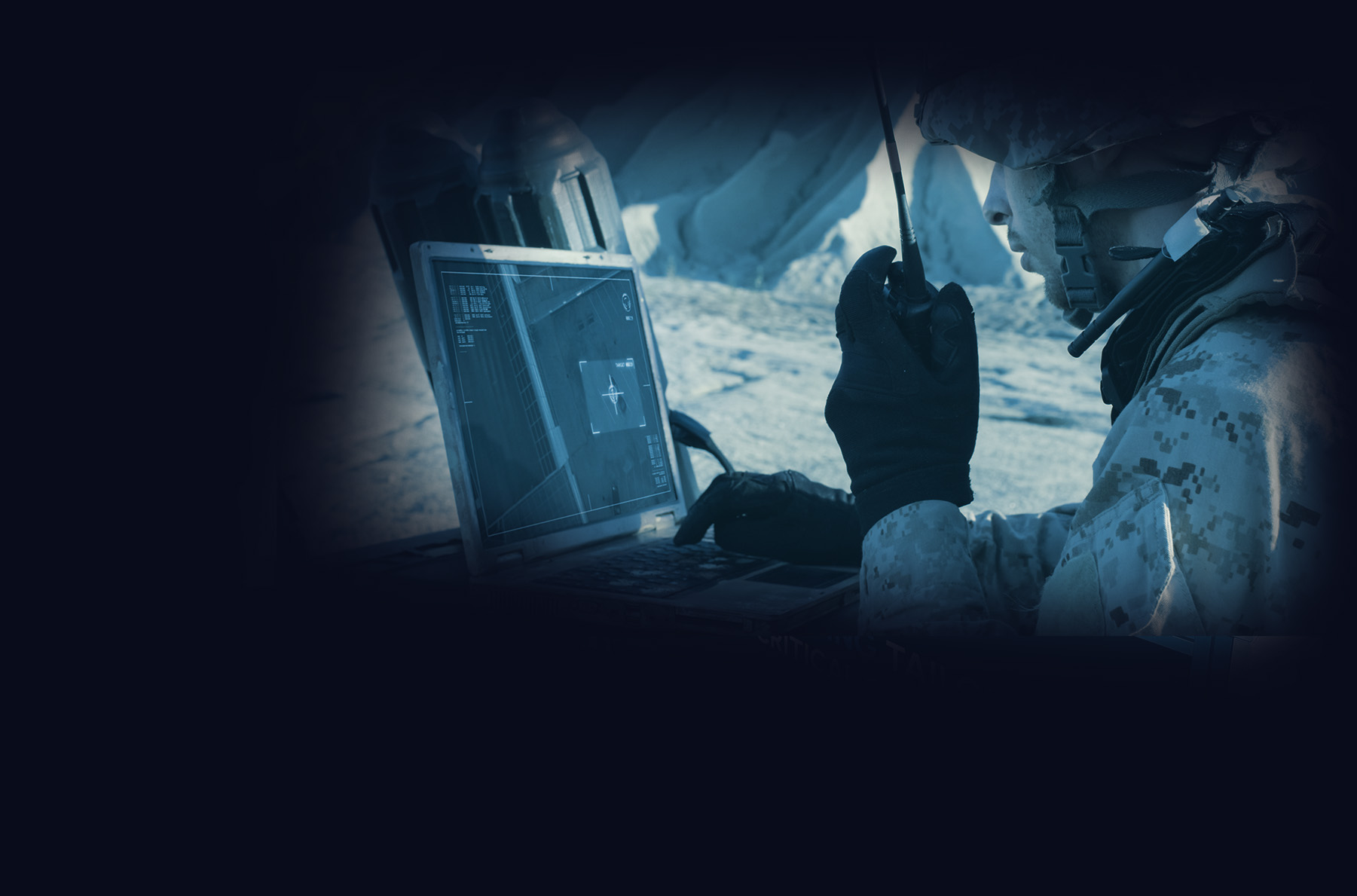
Oct 14, 2026, 9:00:00 AM How Rugged Computing and Tactical Edge architectures turn distributed sensor data into a consistent, mission-ready situational picture in Defense Computing
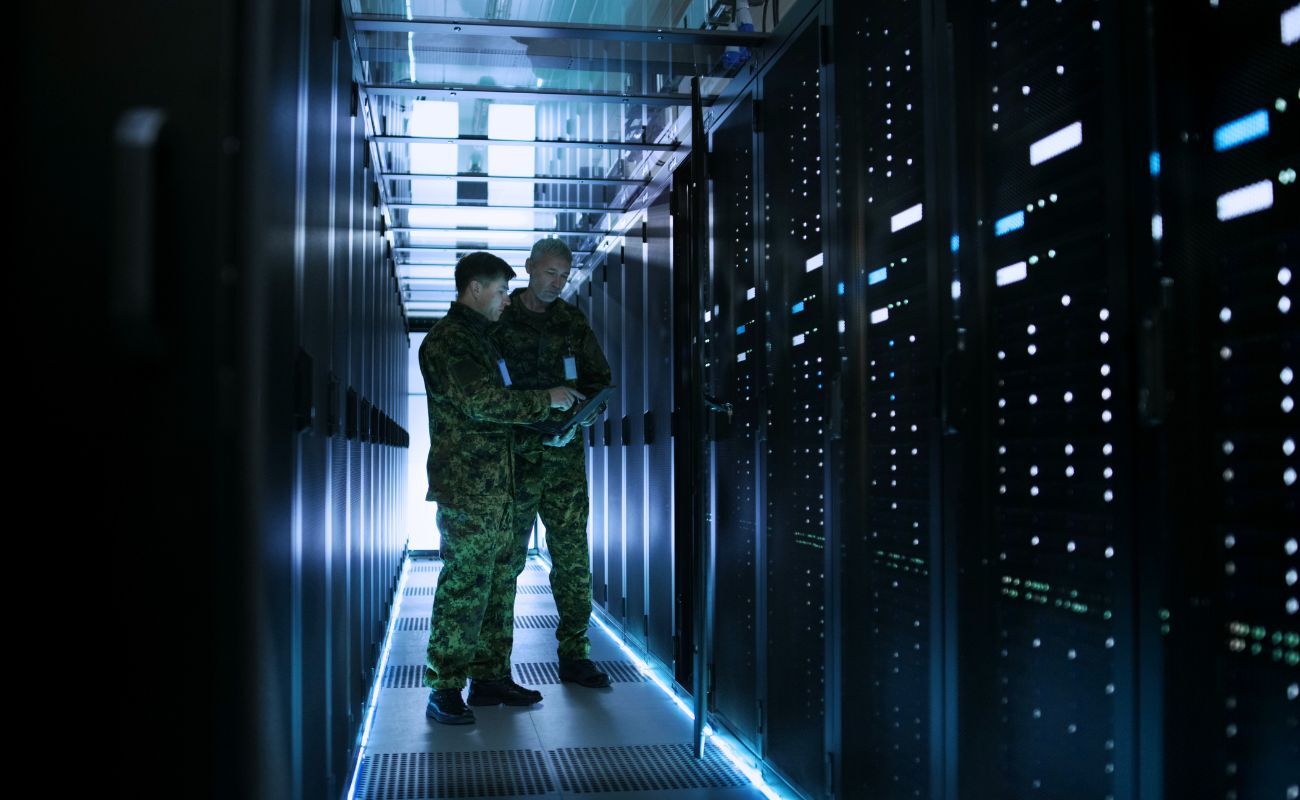
Oct 7, 2026, 9:00:01 AM Why rugged computing is crucial for defence applications: validation, thermal management and modular systems in mission-critical operations.
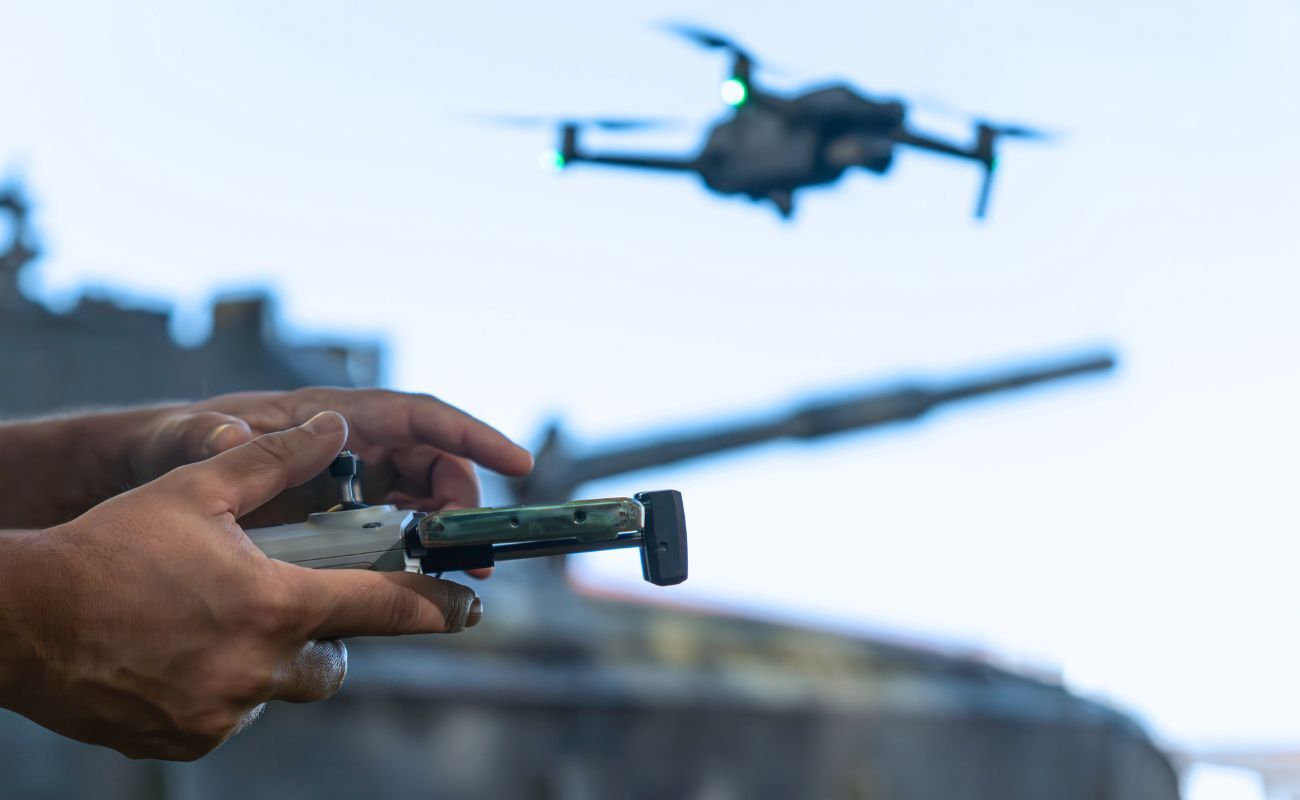
Sep 30, 2026, 9:00:01 AM Edge AI for faster situational assessment: How sensor fusion and human-in-the-loop decision support are reducing military response times.
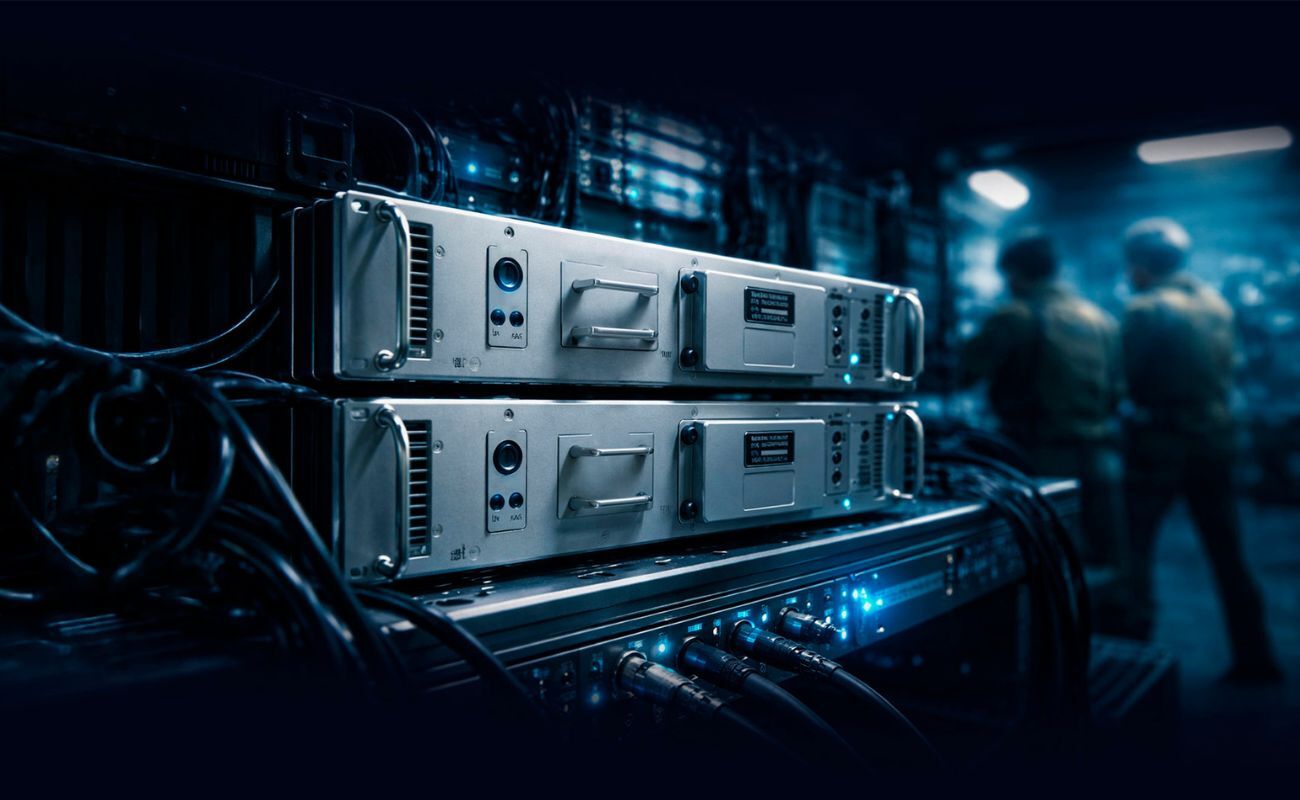
Jun 9, 2026, 9:00:00 AM Industrial hardware for harsh environments: why rugged design, thermal stability, serviceability, and lifecycle matter. Includes the BRESSNER Buyer’s Guide.

Feb 26, 2026, 9:00:00 AM Discover how 5G and Wi-Fi 7 are revolutionizing the reliability and security of industrial networks and setting new standards for digitalization.

Feb 10, 2026, 9:00:00 AM From the sensor to the cloud: How gateways and edge systems optimize data flows in industry—securely, scalably, and efficiently with BRESSNER.

Feb 3, 2026, 9:00:00 AM Learn how Panel PCs are revolutionizing hospital processes and improving critical medical decisions through edge computing.

Jan 29, 2026, 9:00:00 AM Predictive maintenance with embedded AI is revolutionizing maintenance through local data analysis, shortening response times and reducing costs.
Jan 22, 2026, 9:00:01 AM Ultra-rugged edge computers are essential for military applications, offering high computing power and resistance to extreme environments.

Want to stay up to date?
- Then sign up for our newsletter!