

Industrial communication used to be a means to an end: as long as machines were reachable and data arrived “somehow,” the topic was considered solved. That mindset no longer works. With distributed edge systems, mobile applications, and time-critical processes, connectivity itself becomes a business-critical resource. In 2026, it’s not maximum bandwidth that determines the success of digital applications, but the reliability, controllability, and security of the connection.
5G and Wi-Fi 7 are often described as the next stage of evolution in this context. In reality, they address specific challenges that classic network architectures increasingly fail to cover cleanly in industrial environments.
Why Classic Network Concepts are Reaching Their Limits
Production facilities, logistics systems, and energy infrastructures are far more dynamic today than they were just a few years ago. Mobile units, temporary installations, and changing layouts are part of everyday operations. Wired networks provide stability, but expanding or reconfiguring them often requires significant effort. Wireless solutions, on the other hand, were long considered unreliable or difficult to control, while requirements for latency, prioritization, and fail-safe operation continue to rise.
A core issue: data streams differ greatly in criticality, yet often react similarly to network disruptions. This “one-size-fits-all” behavior is no longer viable in modern industrial environments, especially where delays directly impact cycle times, quality, or safety.
5G as a Controllable Wireless Infrastructure
5G is often misunderstood in an industrial context. It’s not primarily about speed, but about controllability. Private 5G networks allow companies to operate wireless communication locally and control it independently of public networks. The key is the ability to prioritize connections and define predictable latency windows.
Mobile machines, autonomous transport systems, and distributed sensor networks can be integrated reliably without network fluctuations dominating operations. For many applications, this is a qualitative step forward compared to previous cellular solutions.
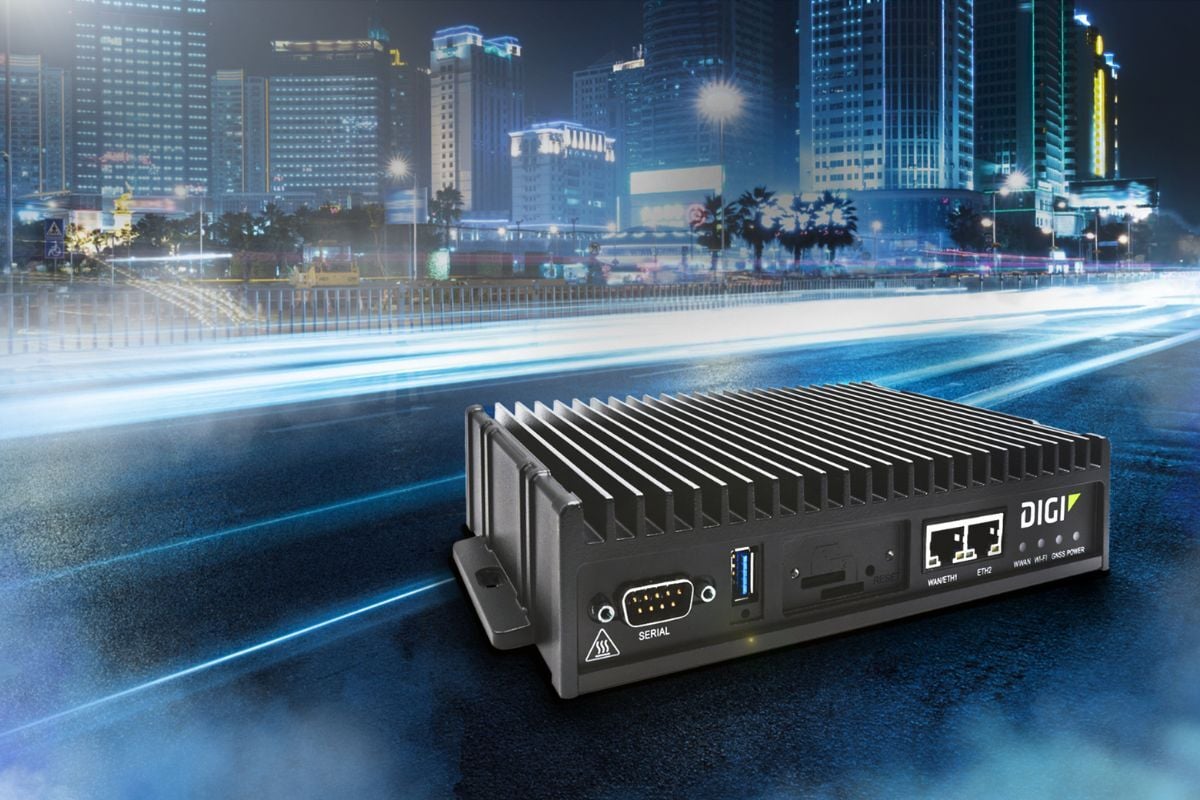
Digi TX40 - Intelligent 5G wireless communication hub for public safety and fleet vehicles
Wi-Fi 7 as an Evolution of Existing Structures
While 5G opens up new application areas, Wi-Fi 7 consistently advances existing infrastructures. The standard improves not only data rates, but above all stability in high-density device environments. Production halls, laboratories, and logistics centers benefit from lower latency and better handling of interference.
Also important is the ability to use multiple frequency bands in parallel. This increases resilience and reduces dependence on individual channels. For many stationary applications, Wi-Fi remains a core component of industrial network architectures, especially when fast adaptability is required.
Hybrid Networks Instead of Either-or Decisions
In practice, industrial communication can rarely be reduced to a single technology. Robust architectures combine Ethernet, Wi-Fi, and cellular connectivity in a targeted way. Redundancy is not created by individual standards, but by the interaction of multiple connections.
Multi-link and fallback strategies ensure that systems remain operational even in the event of partial disruptions. Especially for process- or safety-critical applications, this protection is essential because it prevents unplanned downtime and reduces operational risk.
Security is not an Add-on
As connectivity increases, so does the attack surface. Industrial communication must therefore be secured from the start. Authentication, encryption, and device identity are baseline requirements for modern network components. Equally important is integration into operational and maintenance concepts: networks that can only be administered with specialist knowledge create new dependencies.
Industrial-grade approaches therefore rely on clear structures, centralized management, and traceable update processes, so security is not just “present,” but manageable in everyday operations.
Connectivity as a Prerequisite for Decentralized Intelligence
Edge systems operate locally and remain functional even without a permanent connection. Still, they rely on stable communication to transmit data, update models, or coordinate higher-level processes. Connectivity therefore becomes a prerequisite for scalable edge architectures.
The value is not in the connection itself, but in the ability to deliver information reliably to where it is used — predictable, prioritized, and aligned with real operating conditions.
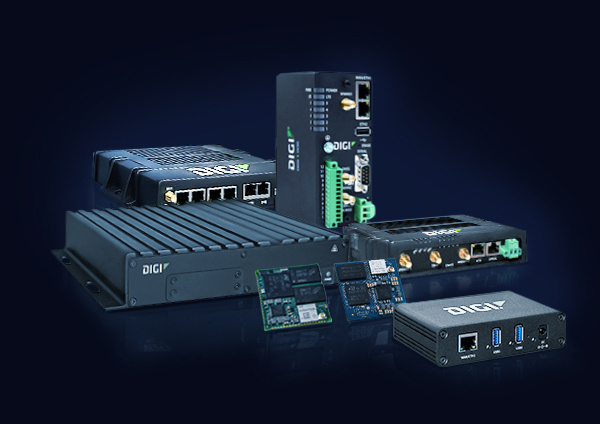
Industrial IoT hardware from Digi for secure and seamless real-time communication
Connectivity as a Strategic Capability
In 2026, it’s clear: industrial communication is no longer a side topic. It influences how flexible, secure, and resilient digital systems can operate. 5G and Wi-Fi 7 provide powerful tools, but they don’t replace architectural decisions.
Companies that treat connectivity as strategic infrastructure create the foundation for stable edge systems and long-term digitalization. Those who continue to view it as a mere transport layer will eventually run into operational limits.
Reliable connectivity starts with the right industrial hardware: from edge systems and gateways to rugged platforms built for continuous operation. Find out how BRESSNER supports you in building scalable network and edge architectures: for predictable performance, secure communication, and maintainable structures.
👉 Discover IoT hardware solutions for connected applications
👉 Request consulting on connectivity architectures and suitable system platforms
Share Article


More Blog Posts
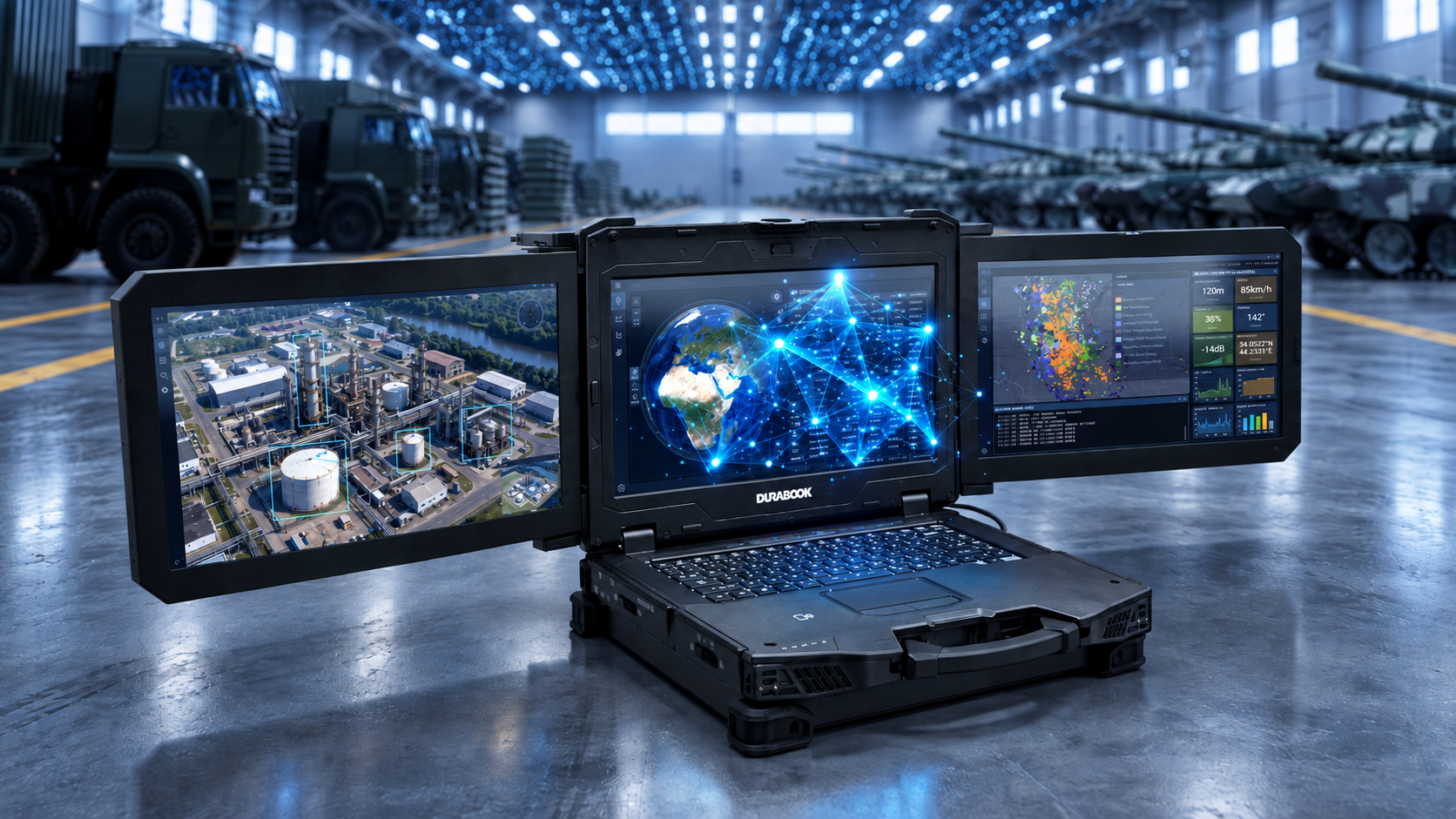
Sep 29, 2026, 9:00:02 AM The new Durabook Z14I-DX3 combines maps, video streams, and mission data on three 14-inch displays and brings powerful AI processing directly to the field

Sep 15, 2026, 2:00:00 PM Durabook, a renowned brand for rugged mobility solutions, is expanding its distribution partnership with BRESSNER Technology.
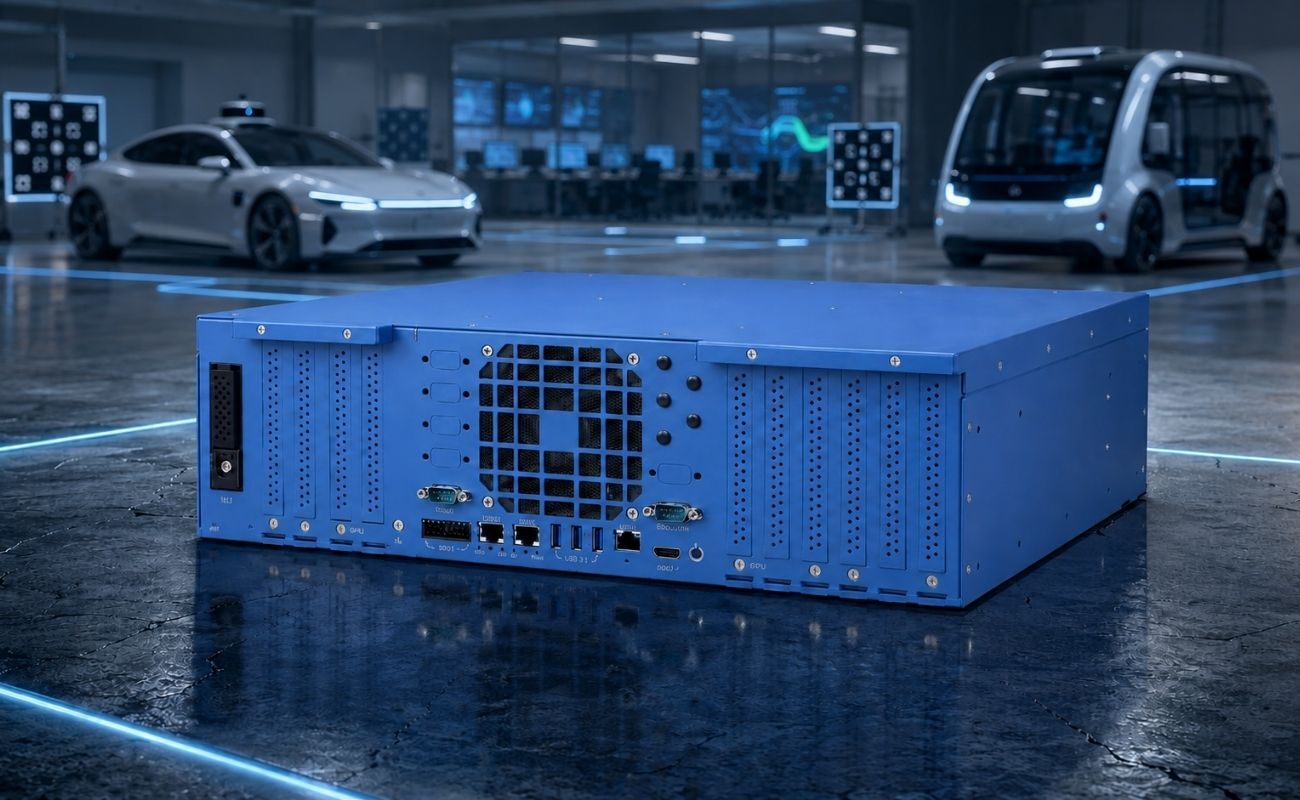
Sep 1, 2026, 3:00:00 PM RGS-9805GC: Rugged 3U HPC AI server with AMD EPYC, dual-GPU support and PCIe Gen5 for Physical AI, autonomous systems and Edge HPC.
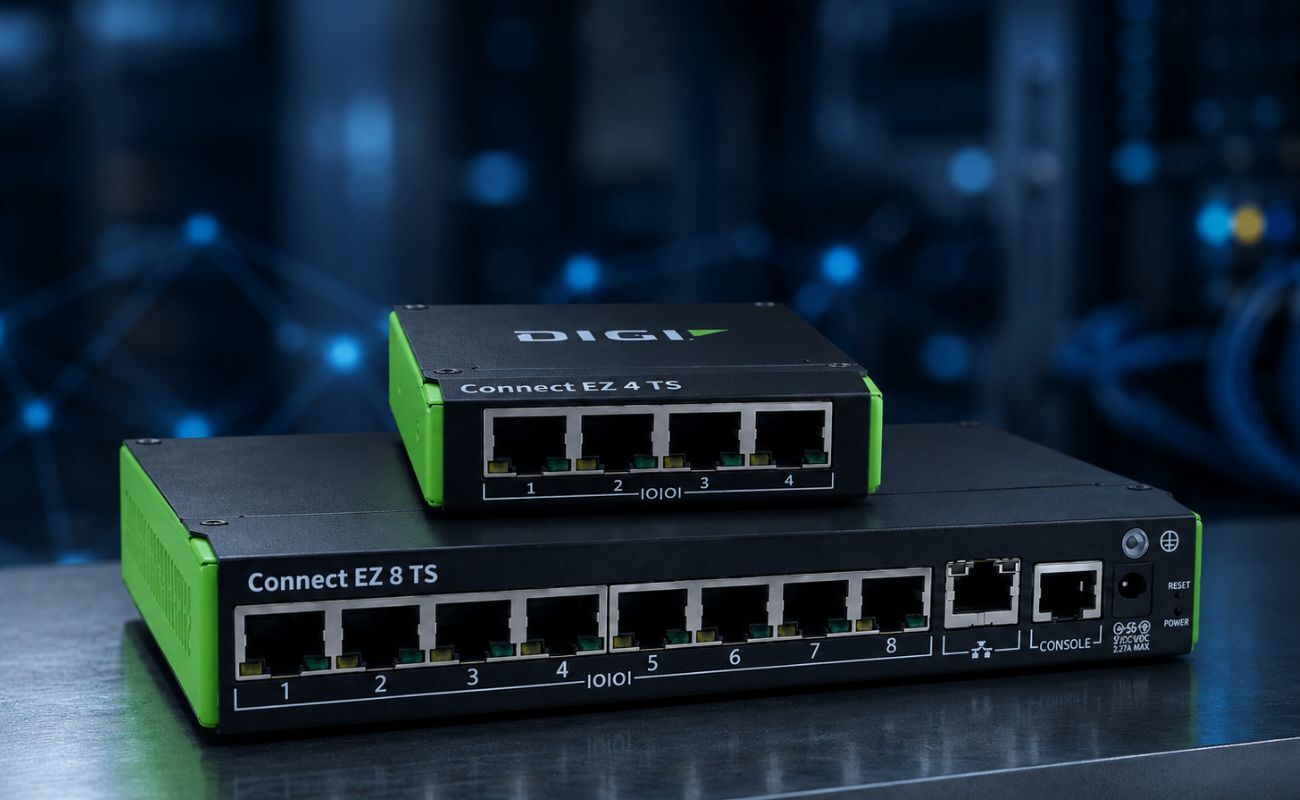
Jun 11, 2026, 9:00:00 AM Digi Connect EZ TS securely connects legacy serial devices over IP with remote access, centralized management, and fast deployment for IT and OT.
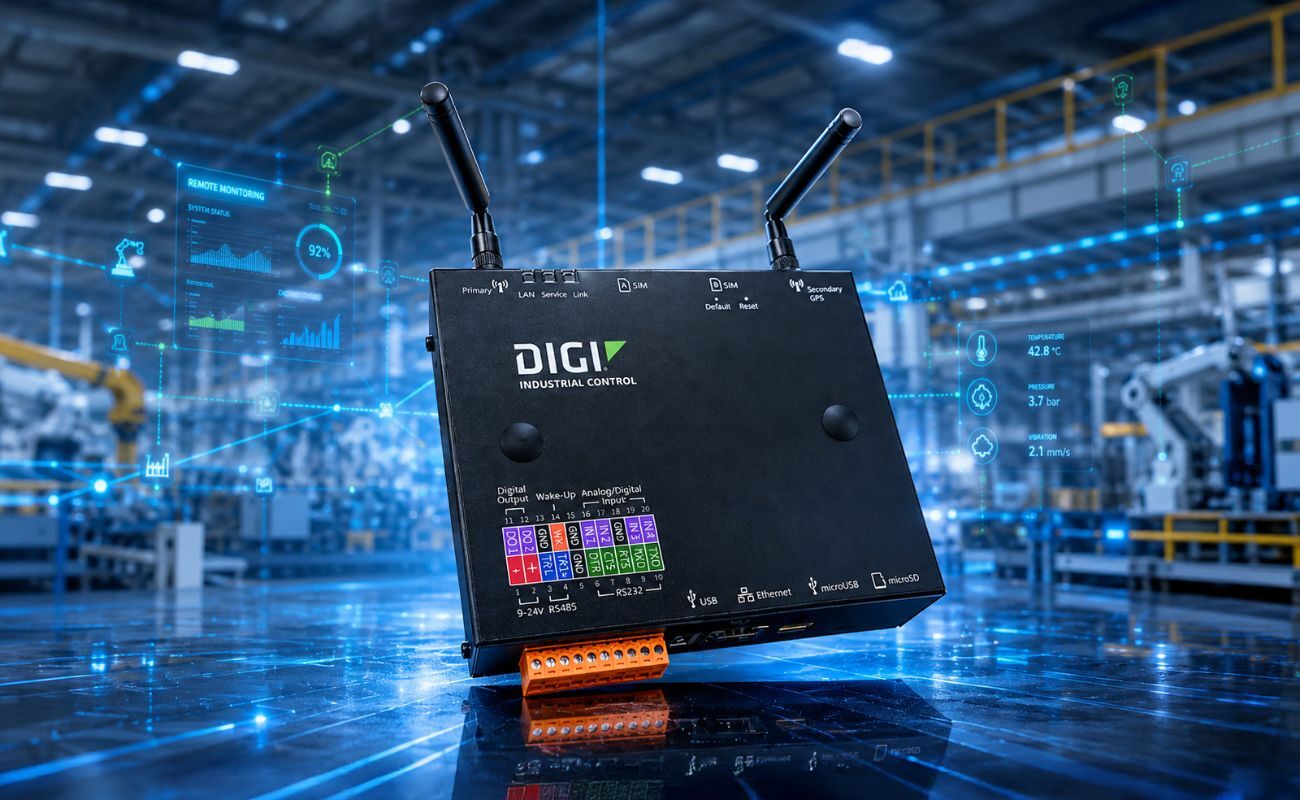
May 20, 2026, 9:00:00 AM Digi Z45 Industrial Controller for remote monitoring, no code edge automation, and secure industrial connectivity with Digi Axess centralized management.
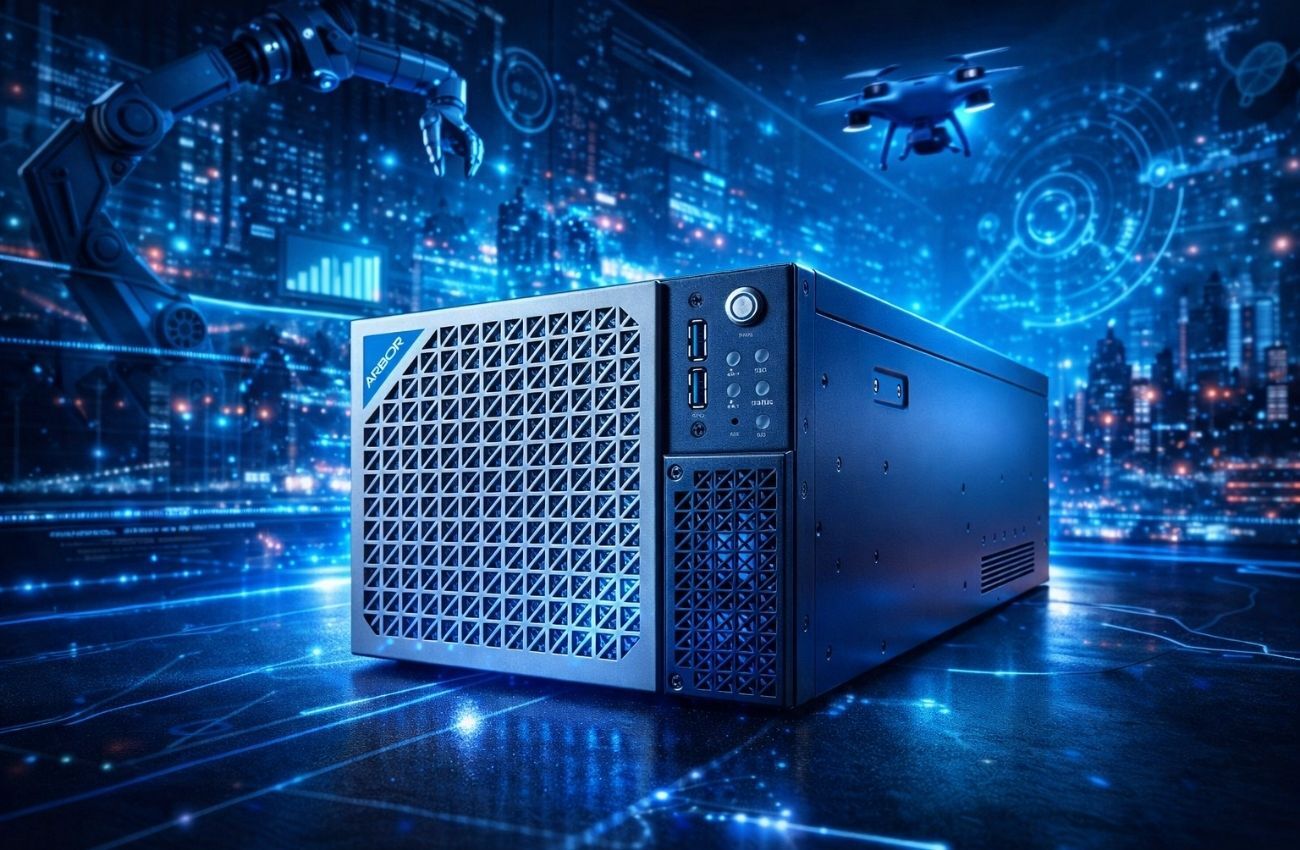
Apr 28, 2026, 9:00:00 AM Discover the EdgeX-6000 from BRESSNER: A powerful edge AI platform with high computing power and flexible GPU expandability.

Mar 31, 2026, 9:00:00 AM Discover the new ATP e.MMC Smaller Footprint Series — ultra-compact storage solutions for energy-efficient embedded and next-generation wearable designs.

Feb 18, 2026, 9:00:00 AM Why industrial projects fail in everyday life: Environment, maintenance, lifecycle instead of just performance – BRESSNER Buyer's Guide included.
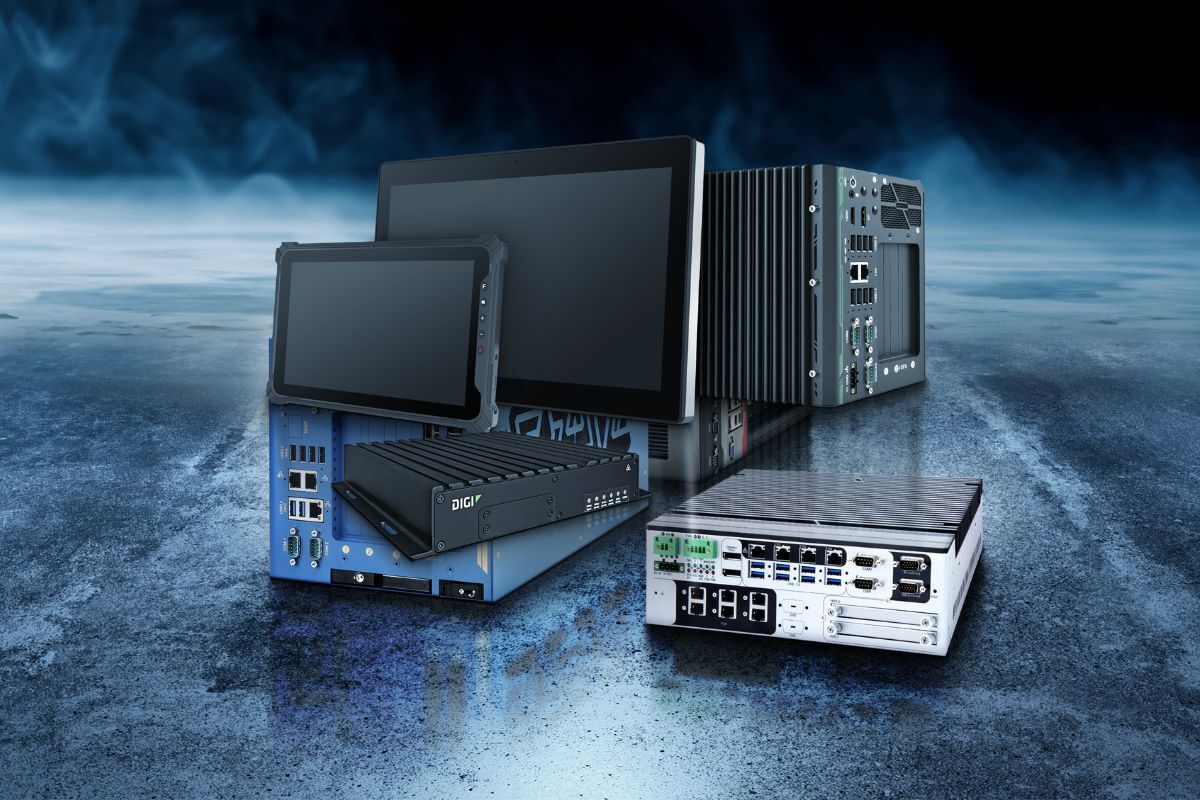
Feb 16, 2026, 9:00:01 AM Rugged Design 2.0: How robust hardware enables reliable AI, HMI and mobile workflows across industry, labs and outdoor operations.
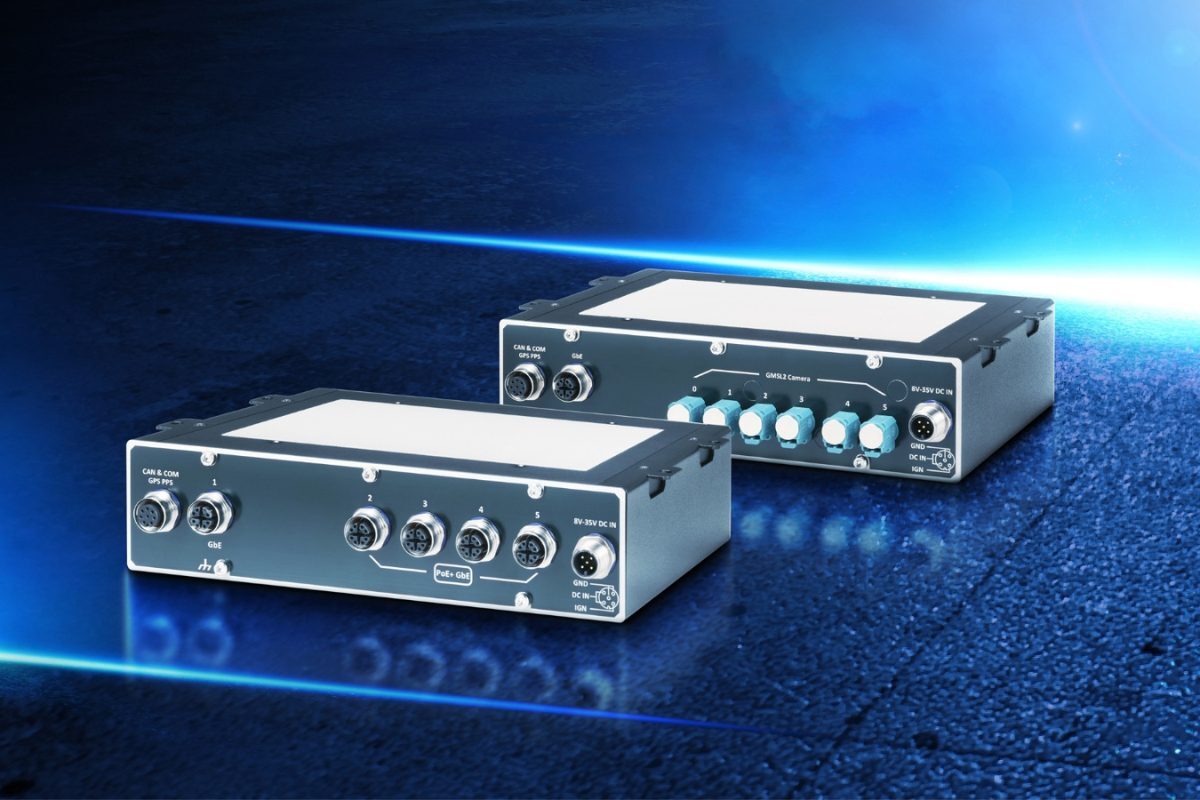
Nov 18, 2025, 9:00:00 AM Discover the NRU-160-FT series: Compact, fanless edge AI computers for industrial and mobile applications in harsh environments.
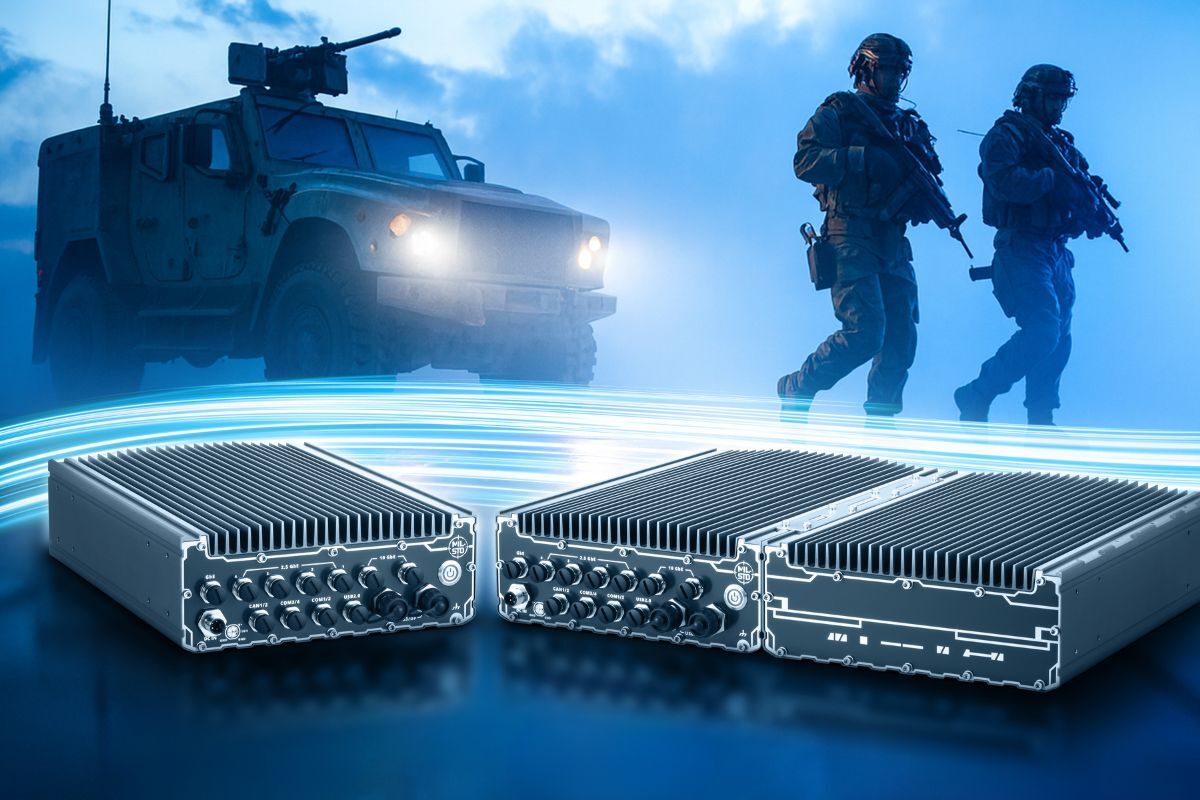
Nov 4, 2025, 9:00:00 AM Robust edge AI systems for extreme environments: The SEMIL-2200 and SEMIL-2200GC from BRESSNER offer reliable performance for military applications.

Want to stay up to date?
- Then subscribe to our blog newsletter!