
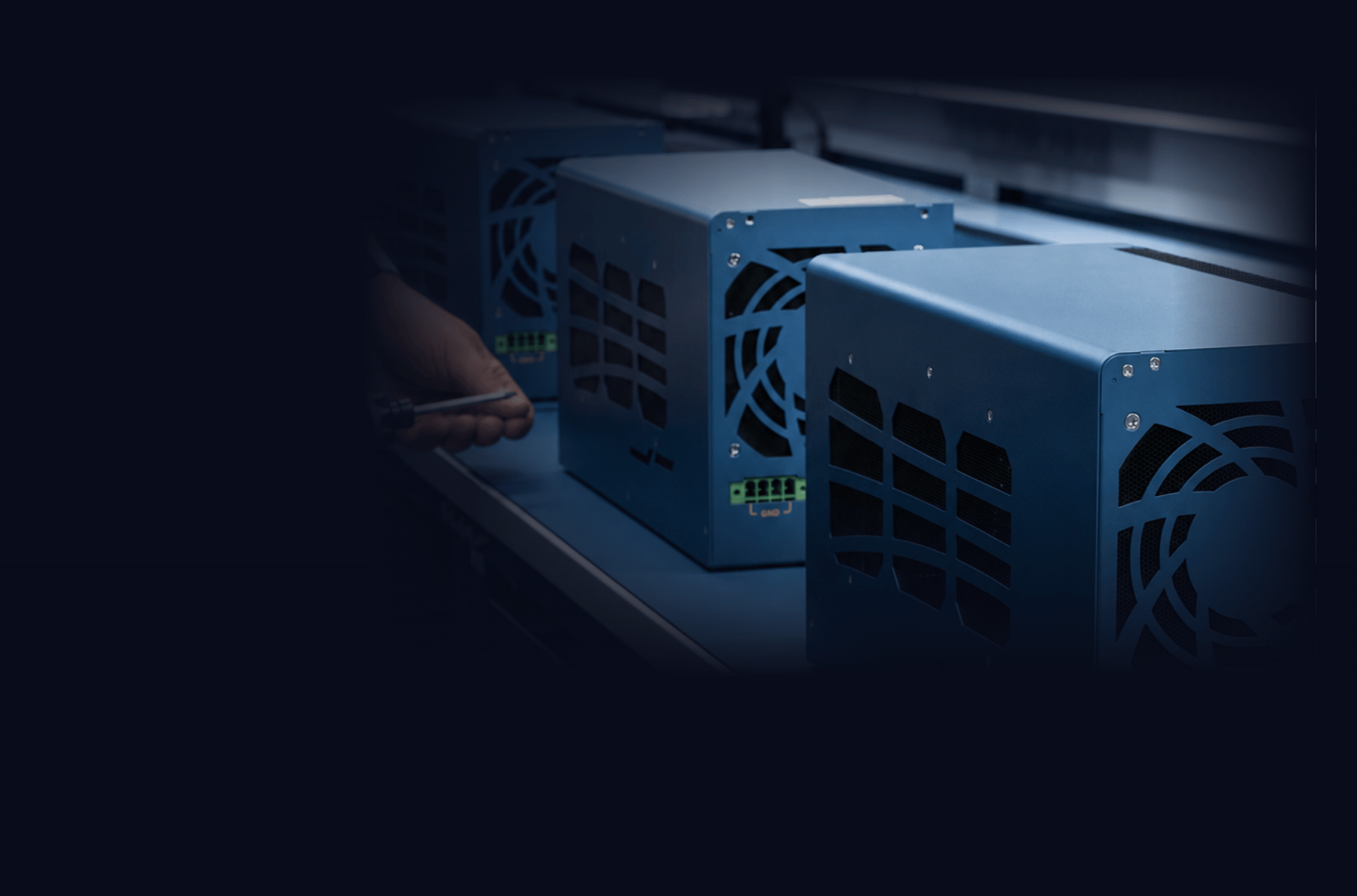
Sustainability in industrial IT is often reduced to energy efficiency. That matters, but for industrial hardware another factor weighs just as heavily in the overall balance: how long a system remains in productive use.
Machines, plants, and infrastructure run for many years, and the hardware inside them has to keep pace. Service life, long-term availability, maintainability, and predictable product cycles are therefore the real levers, both ecologically and economically.
Sustainability Starts with Service Life
Industrial hardware is rarely a consumable. It is part of machines, plants, and processes that operate over long periods, so early replacement means more than installing a new device. The hardware must be procured, integrated, validated, and reintegrated into operations, often with software adjustments and renewed testing.
A longer service life can conserve resources while reducing replacement, integration, and validation effort. Platforms designed for industrial applications can support longer usage cycles through long-term availability, modular components, and planned maintenance. Ecological and economic benefits go hand in hand: longer usage cycles can reduce production, replacement, and transport effort. For users, this means fewer hardware changes, lower integration effort, and more predictable maintenance.
Why Long-Term Availability Matters for Industrial Projects
Industrial projects have long lead times. Once a system has been specified, integrated, and validated, it should not need to be reworked after a short period. Projects therefore depend on predictable product cycles: the availability of a platform, stable configurations, and transparent communication when something changes.
This includes end-of-life (EOL) notices, Product Change Notifications (PCNs), alternative components, and controlled platform transitions. When these are identified and assessed early, there is time for planning, testing, and approval. Without this predictability, a functioning system quickly becomes a project risk. Replacement procurement, requalification, and field modifications tie up resources that are needed for operations.
Modularity, Maintainability, and Targeted Upgrades
Modular systems can extend service life further. On suitably designed platforms, individual components such as memory, storage, expansion cards, or other assemblies can be replaced or upgraded without replacing the entire system. If data requirements grow, memory can be expanded; if interface requirements change, an expansion card can be retrofitted. The core architecture remains in place.
This is not automatic, however. Not all industrial hardware is fully modular or repairable, so maintainability and expandability should be evaluated during platform selection. This matters particularly for decentralized systems with tight maintenance windows, where interventions must be targeted and possible without long downtime, as with industrial PCs designed for continuous operation.
EOL Management Instead of Unplanned Platform Changes
Even the best platform eventually reaches the end of its product life cycle. Processor generations change, and components are discontinued. What matters is how this is handled. Sustainability also means keeping existing systems in sensible operation for as long as possible, rather than replacing entire platforms with every discontinuation.
Structured lifecycle management monitors end-of-life processes and change notifications, assesses their impact on the specific project, and identifies options in good time: alternative components, coordinated continuation of supply, or a controlled transition to a successor platform. In environments with qualification or certification requirements, such as medical technology or defense, any hardware change can trigger requalification effort. Proactive support prevents a discontinuation from turning into an unplanned platform change.
Choosing the Right Hardware as a Long-Term Decision
A long-term viable solution starts with selecting the right platform. Processing power alone is the wrong yardstick. Performance, interfaces, expandability, operating conditions, availability, and lifecycle should be considered together. A platform that delivers enough performance today but has no reserves for future requirements, or is discontinued early, can quickly prove to be a dead end.
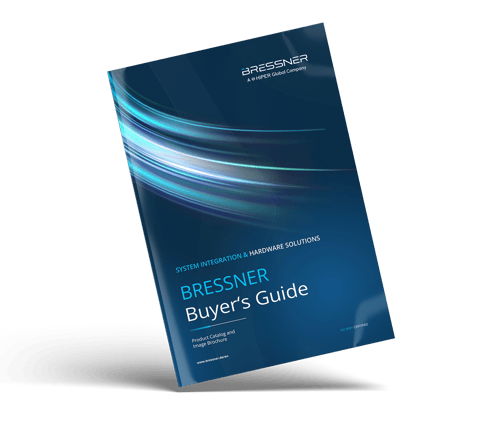
The BRESSNER Buyer's Guide serves as a decision aid. It consolidates technical selection criteria for performance, ruggedness, integration, and availability, along with real-world deployment scenarios in industry, mobility, medical technology, energy, logistics, and defense. This allows systems to be evaluated in a targeted way before decisions affect operations for years.
BRESSNER as a Lifecycle and Project Partner
As a value-added distributor, BRESSNER supplies not only hardware but also supports projects. Together with the customer, a suitable platform is selected, matched to project requirements, and supported across its lifecycle. Support for long-term availability, EOL, and PCN management may be included as part of the project, as well as the coordination of alternative components and service and spare parts offerings.
The result is more than a contribution to resource conservation. Those who plan hardware for the long term benefit in several ways: fewer hardware changes, lower integration effort, more predictable maintenance, and longer usage cycles. For industrial hardware, sustainability and economic efficiency are two sides of the same decision.
Are you planning a project or looking to set up existing systems with a long-term, lifecycle-oriented approach? BRESSNER supports you from platform selection through long-term support.
Share this article


Further posts
Nov 18, 2026, 9:00:01 AM Why sustainability in industrial hardware goes beyond energy efficiency: service life, long-term availability, modularity and EOL planning.
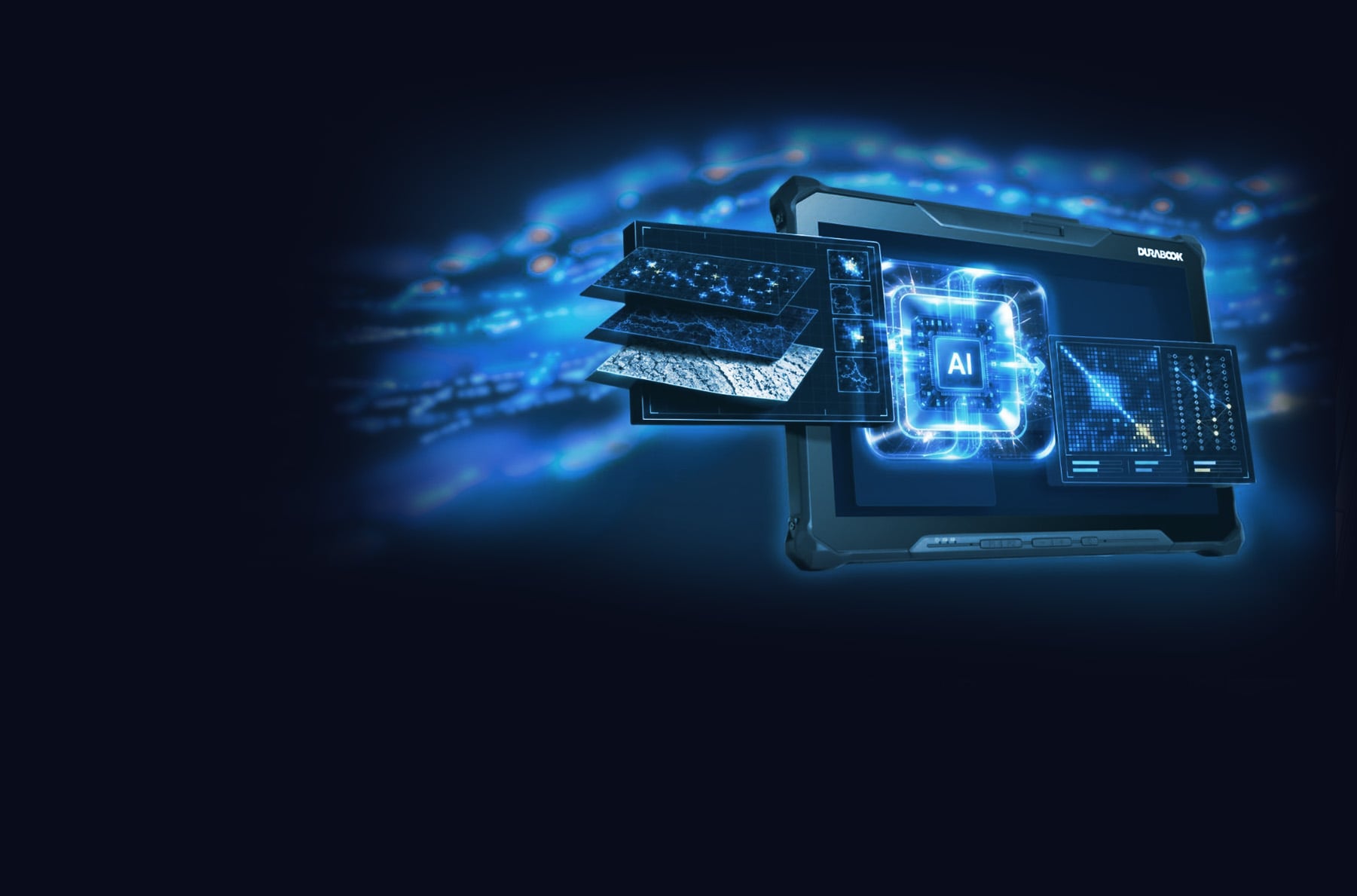
Nov 5, 2026, 9:00:02 AM The new Durabook R12 combines rugged tablet technology with up to 412 TOPS of AI computing power for demanding mobile field applications.n
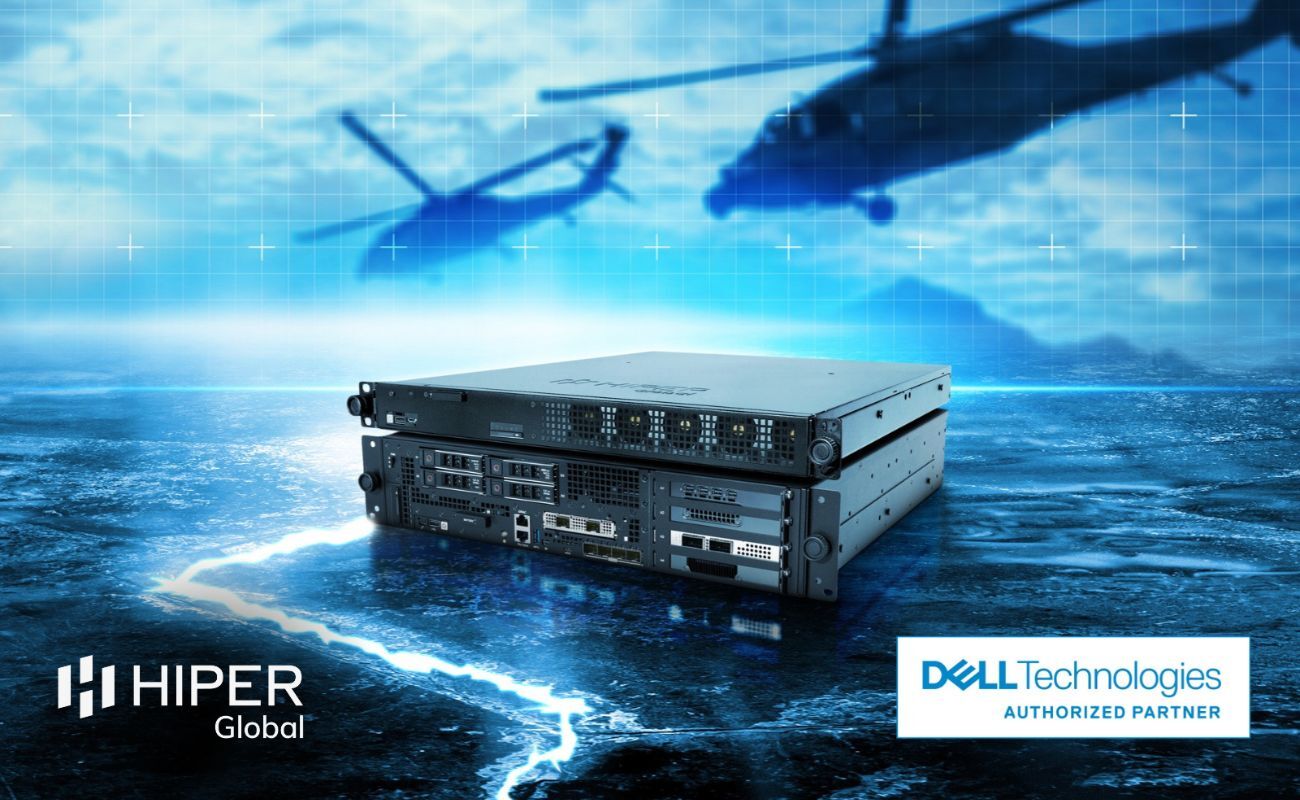
Oct 28, 2026, 9:00:01 AM The HIPER Rugged Edge AI Server Series combines HD-5610-X and HD-7620-X, two highly configurable rugged edge servers based on Dell PowerEdge® XR platforms.
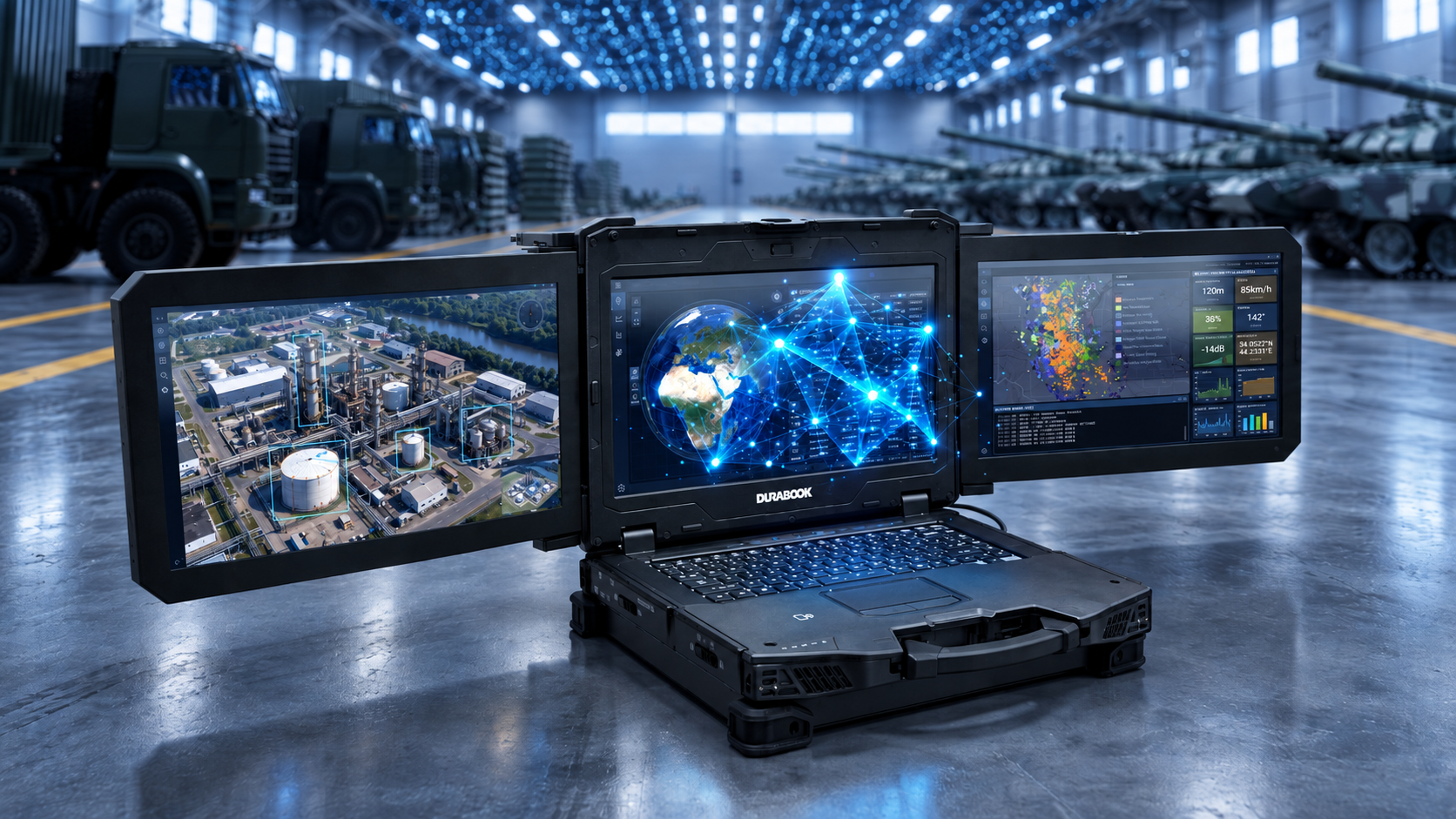
Sep 29, 2026, 9:00:02 AM The new Durabook Z14I-DX3 combines maps, video streams, and mission data on three 14-inch displays and brings powerful AI processing directly to the field
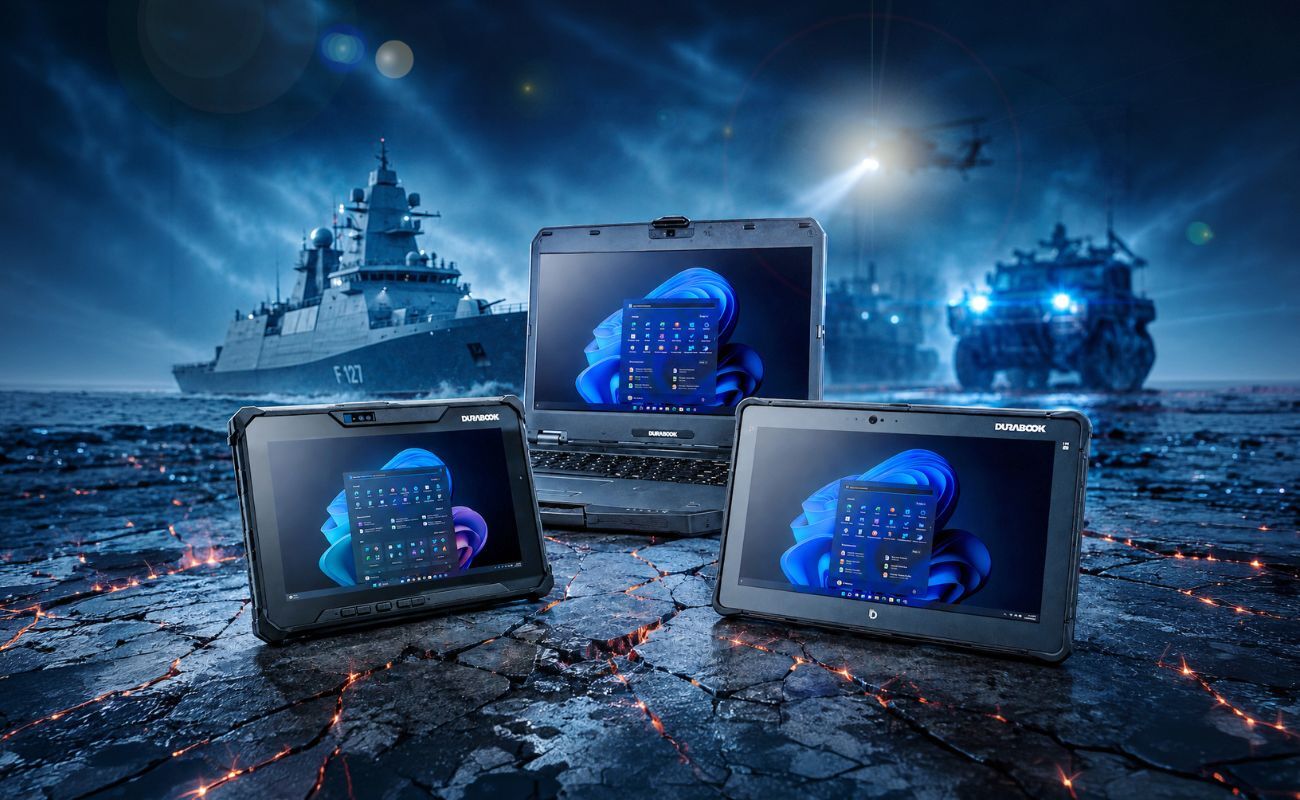
Sep 15, 2026, 2:00:00 PM Durabook, a renowned brand for rugged mobility solutions, is expanding its distribution partnership with BRESSNER Technology.
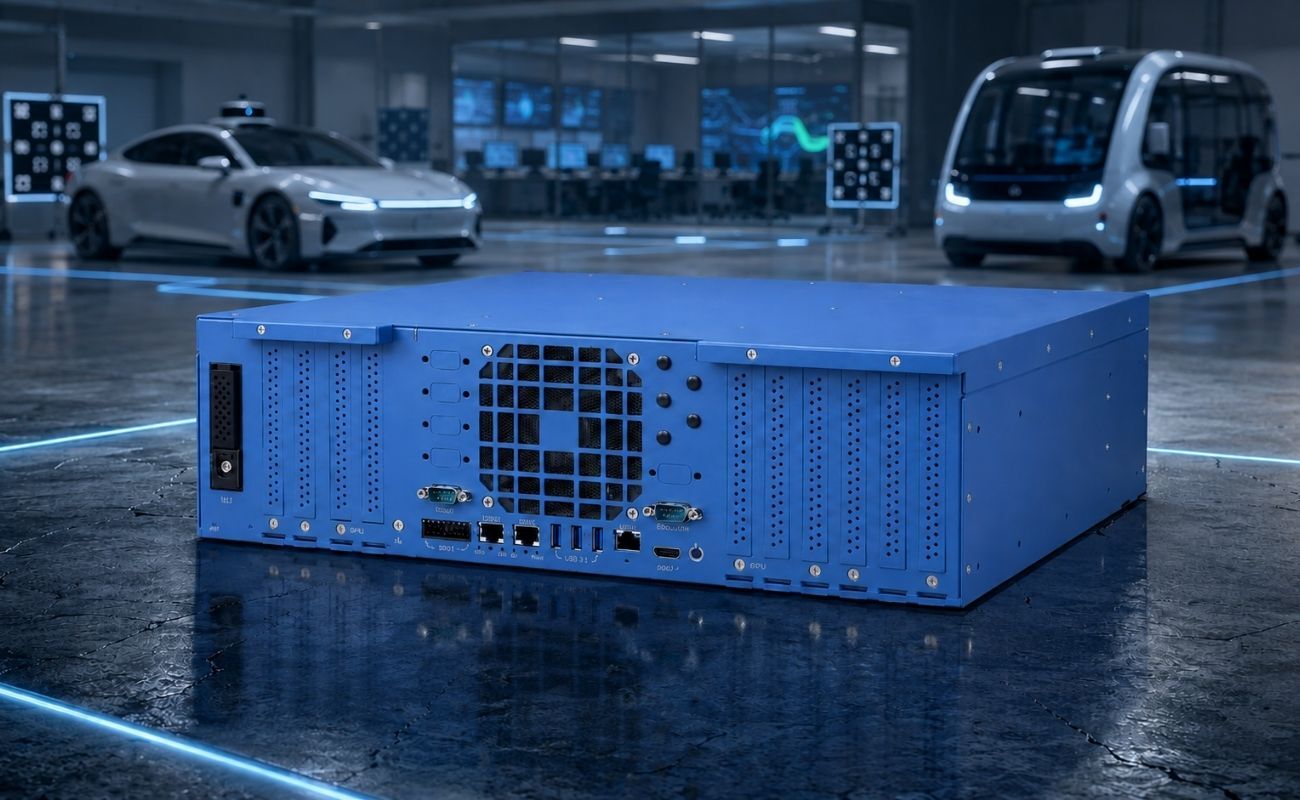
Sep 1, 2026, 3:00:00 PM RGS-9805GC: Rugged 3U HPC AI server with AMD EPYC, dual-GPU support and PCIe Gen5 for Physical AI, autonomous systems and Edge HPC.
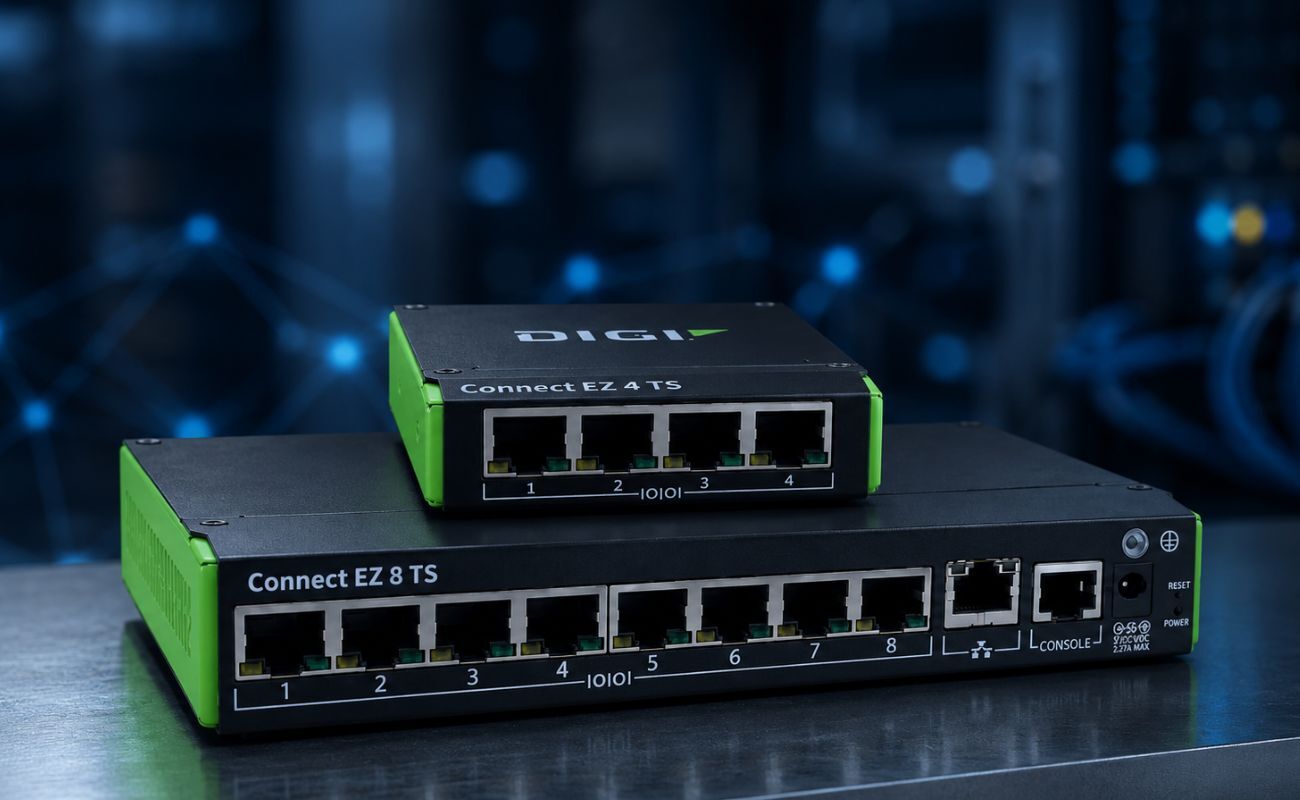
Jun 11, 2026, 9:00:00 AM Digi Connect EZ TS securely connects legacy serial devices over IP with remote access, centralized management, and fast deployment for IT and OT.
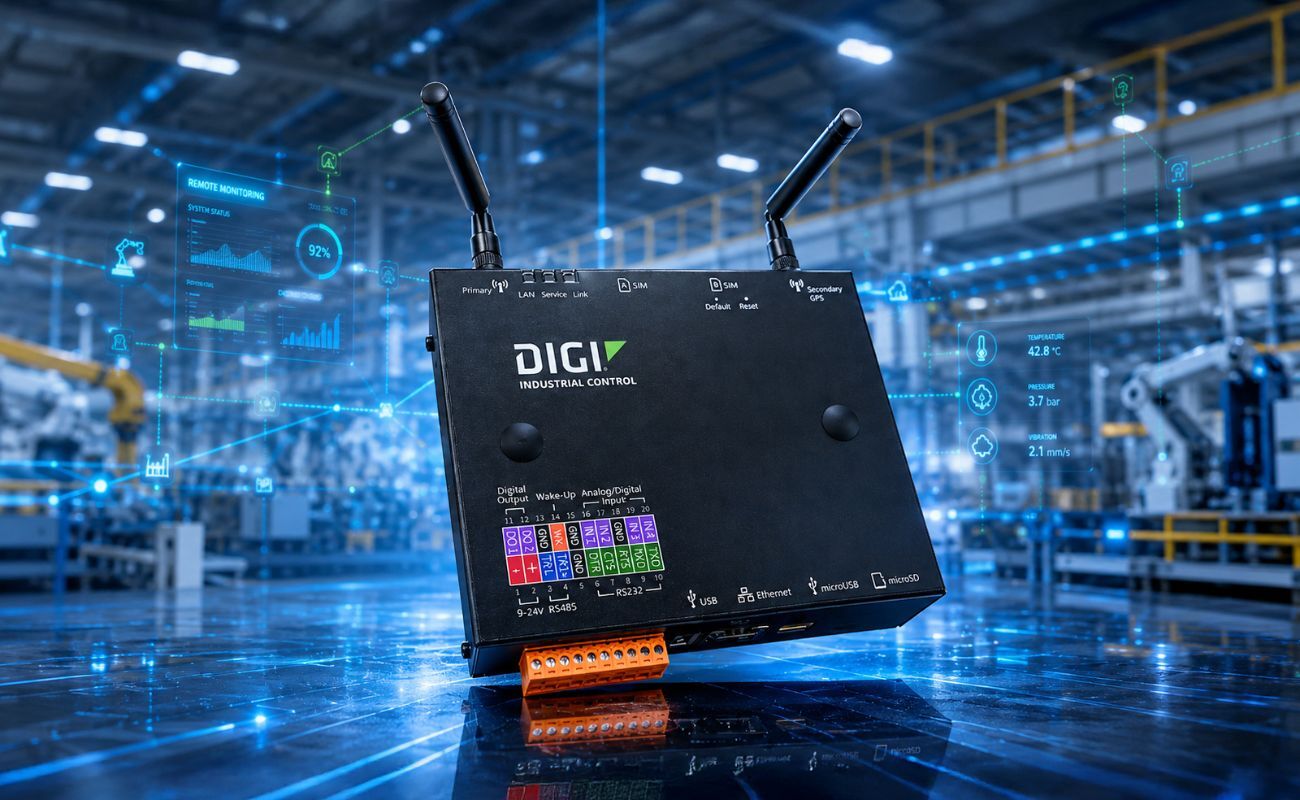
May 20, 2026, 9:00:00 AM Digi Z45 Industrial Controller for remote monitoring, no code edge automation, and secure industrial connectivity with Digi Axess centralized management.
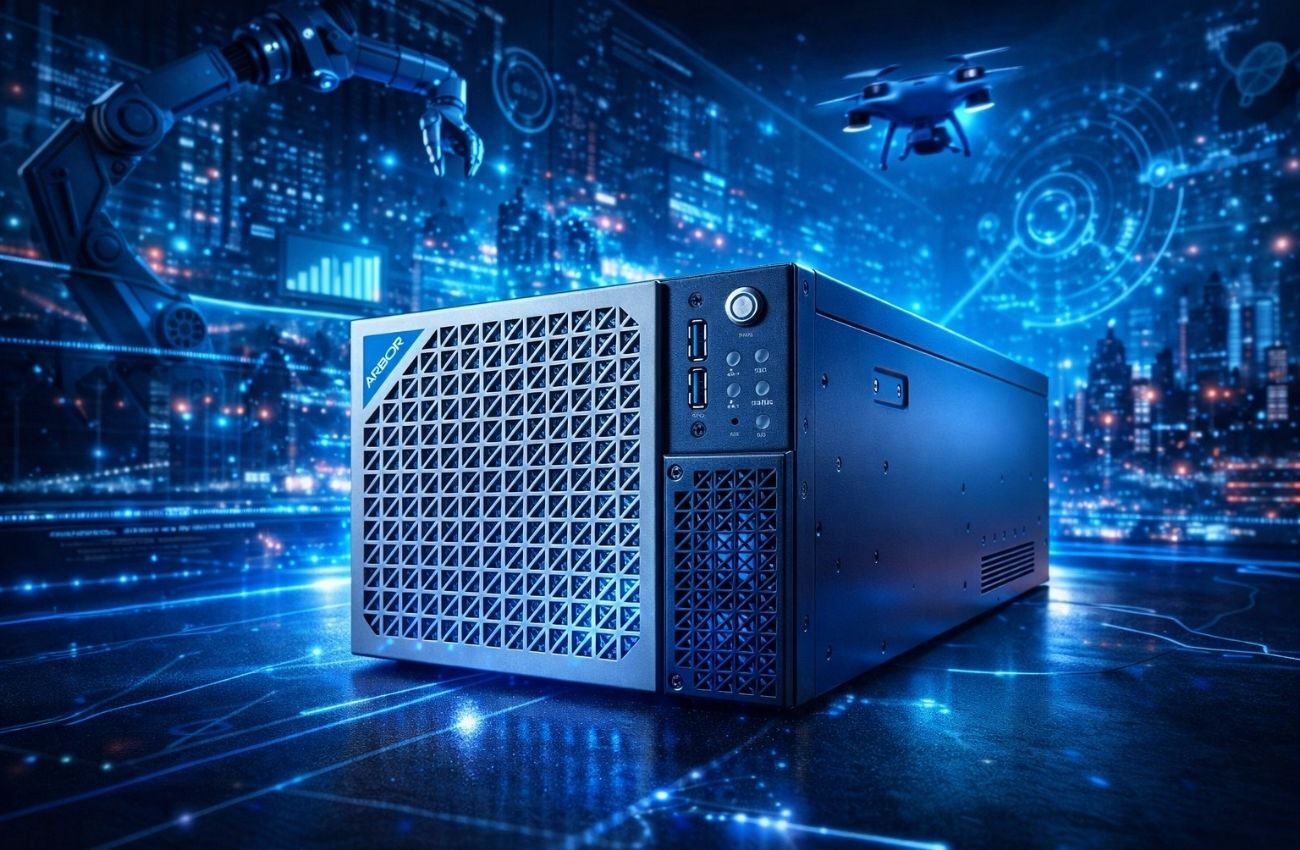
Apr 28, 2026, 9:00:00 AM Discover the EdgeX-6000 from BRESSNER: A powerful edge AI platform with high computing power and flexible GPU expandability.
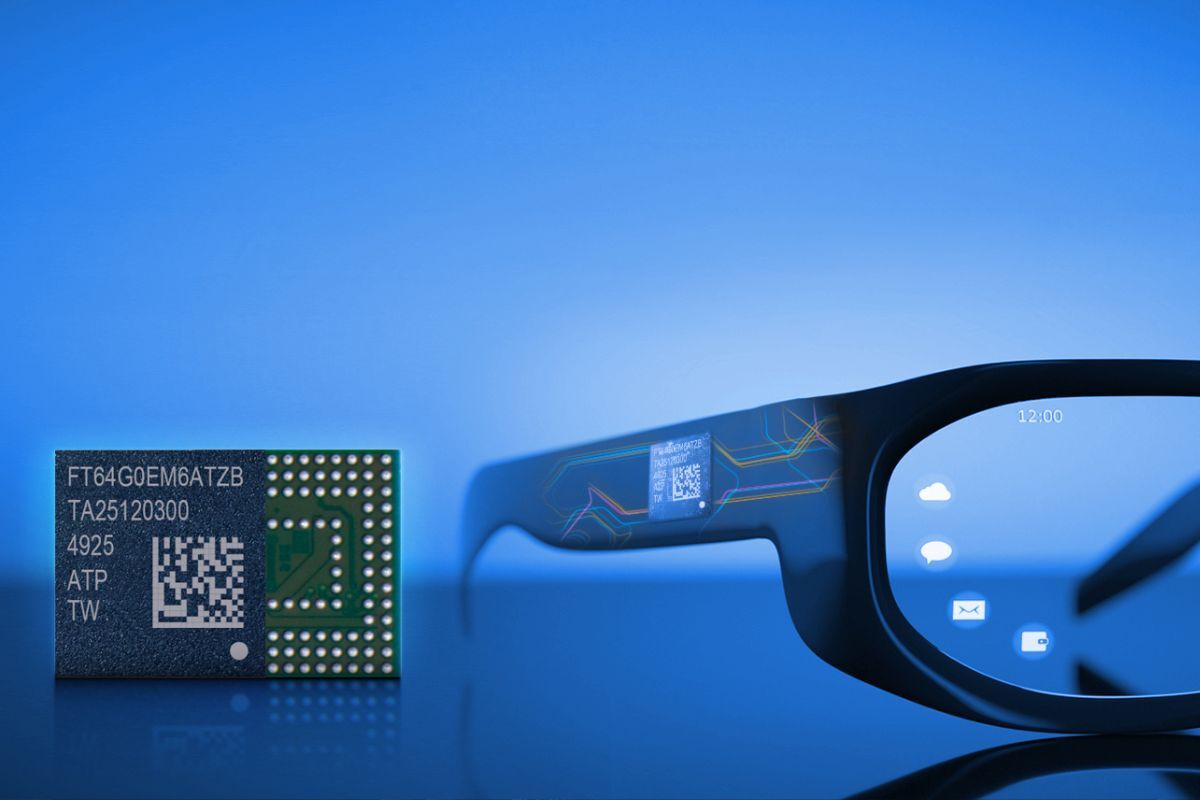
Mar 31, 2026, 9:00:00 AM Discover the new ATP e.MMC Smaller Footprint Series — ultra-compact storage solutions for energy-efficient embedded and next-generation wearable designs.
Feb 18, 2026, 9:00:00 AM Why industrial projects fail in everyday life: Environment, maintenance, lifecycle instead of just performance – BRESSNER Buyer's Guide included.
Want to stay up to date?
- Then sign up for our newsletter!